
Journey to Patagonia
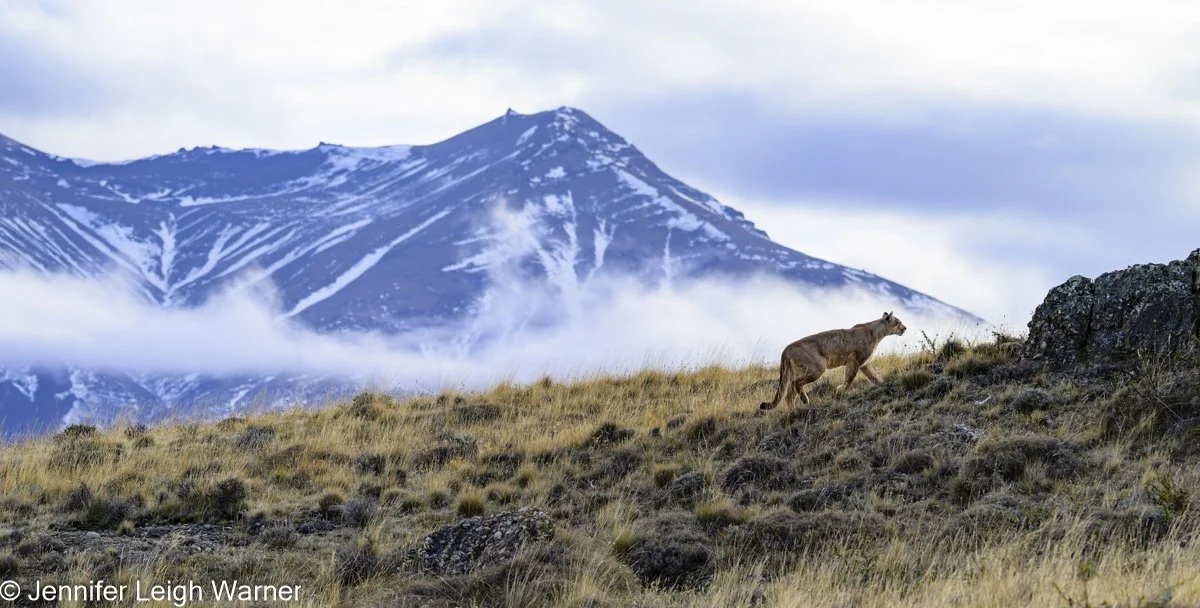
For as long as I can remember, I've held a dream of traveling to Patagonia, a region known for its breathtaking landscapes and rich biodiversity. My primary motivation? To photograph the elusive pumas that roam this vast and rugged terrain. Finally, after years of anticipation and planning, I've turned this dream into reality.
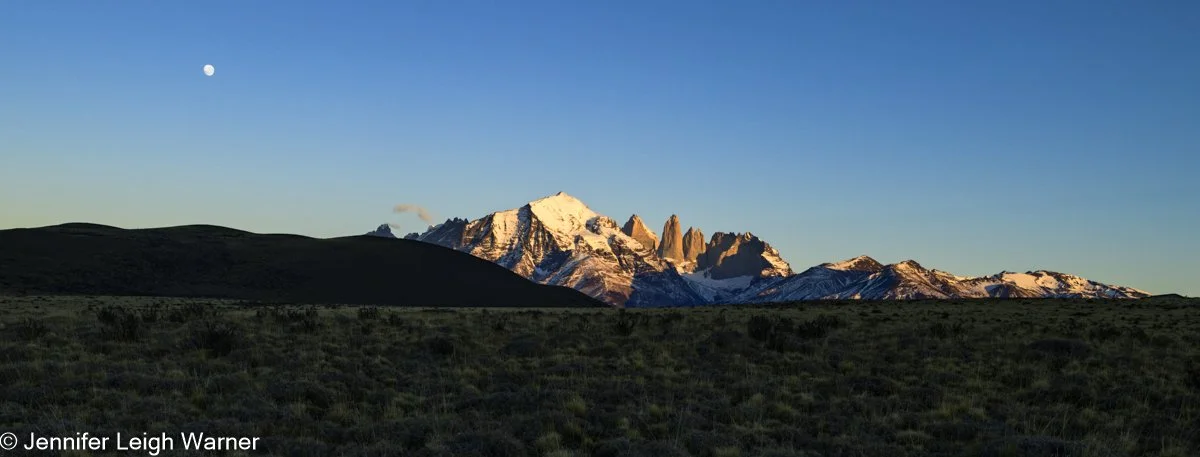
Patagonia is hailed as one of the best places in the world to photograph pumas. The region's unique landscape, characterized by open habitats and a high concentration of these majestic creatures, makes it a prime location for wildlife enthusiasts and photographers alike. Over the years, puma tracking has gained popularity, particularly in Chile, drawing adventurers from across the globe who seek to witness these magnificent animals in their natural environment.
The invitation from Albatross Birding Tours was a golden ticket to immerse myself in the very heart of Patagonia. For someone who had long aspired to lead a group of enthusiasts to this wild frontier, gaining on-the-ground experience was invaluable. I understood that to truly guide others in experiencing the magic of this land, I needed to first walk its trails, breathe its air, and capture the essence of its untamed beauty.
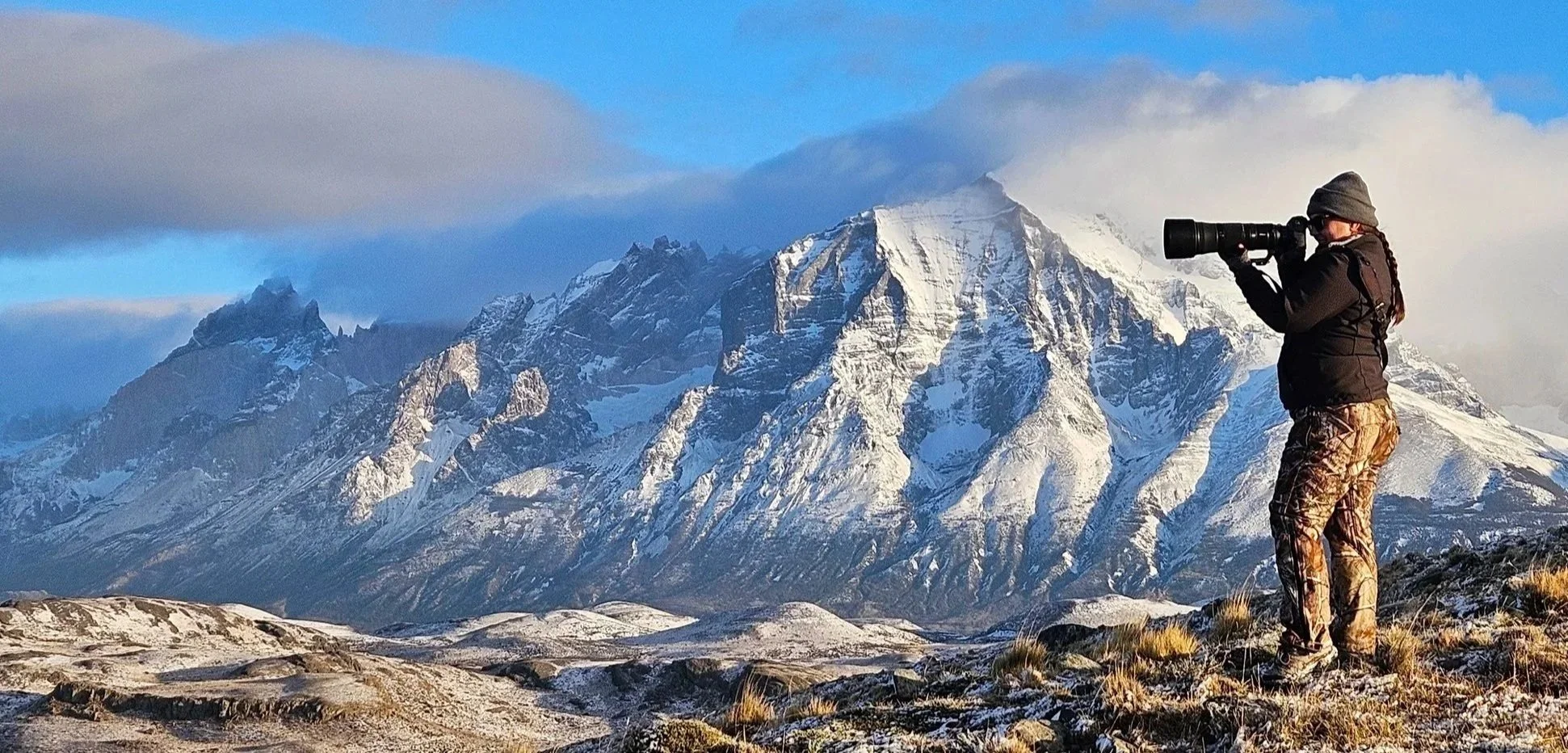
So began the adventure of a lifetime. With my camera in hand and a heart full of anticipation, I embarked on this exploratory journey. I was eager to not only photograph the elusive pumas but also to understand the logistical aspects of organizing a successful tour. This unique opportunity allowed me to blend my passion for photography with the practical insights needed to craft unforgettable experiences for future adventurers.
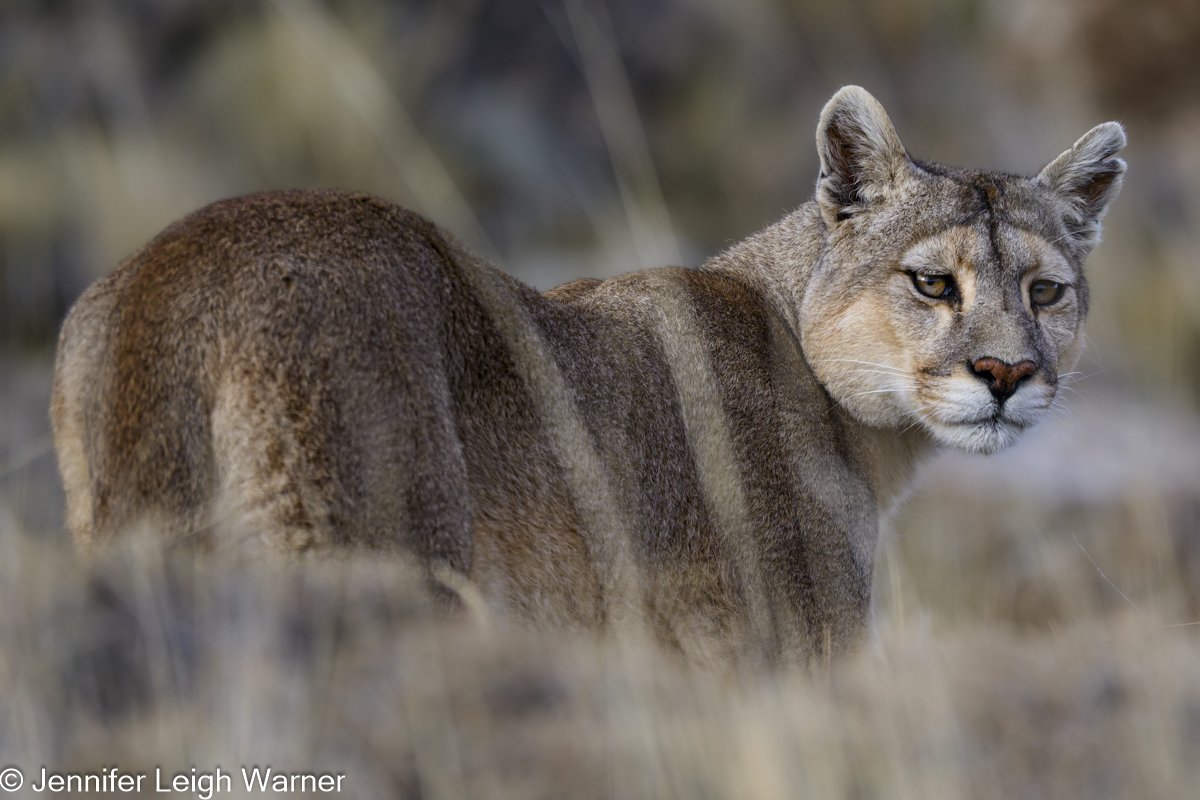
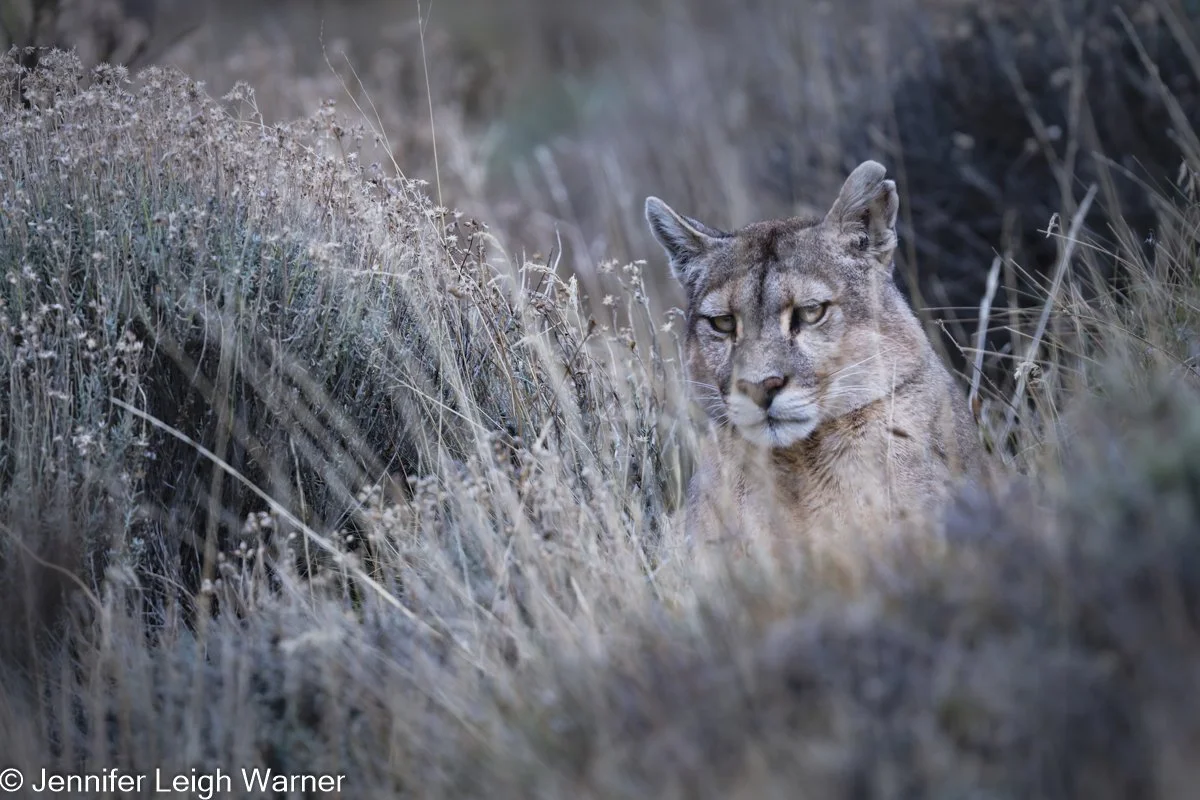
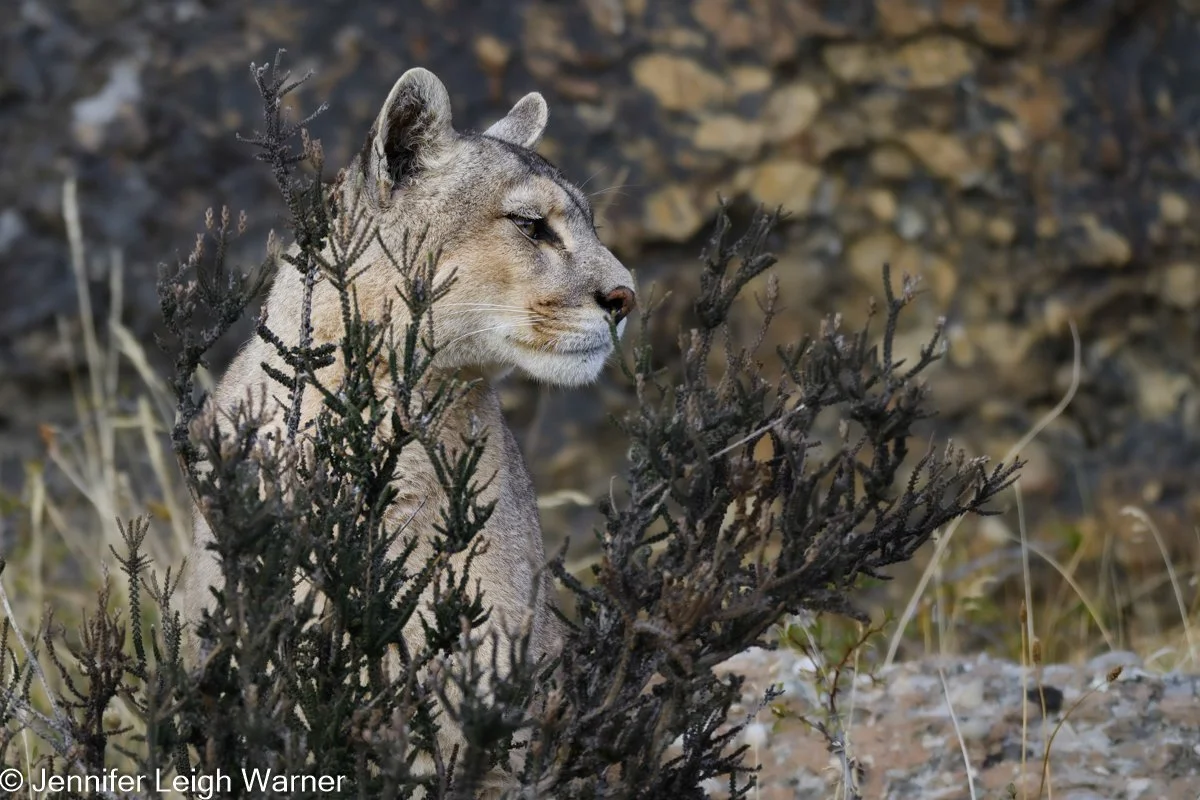
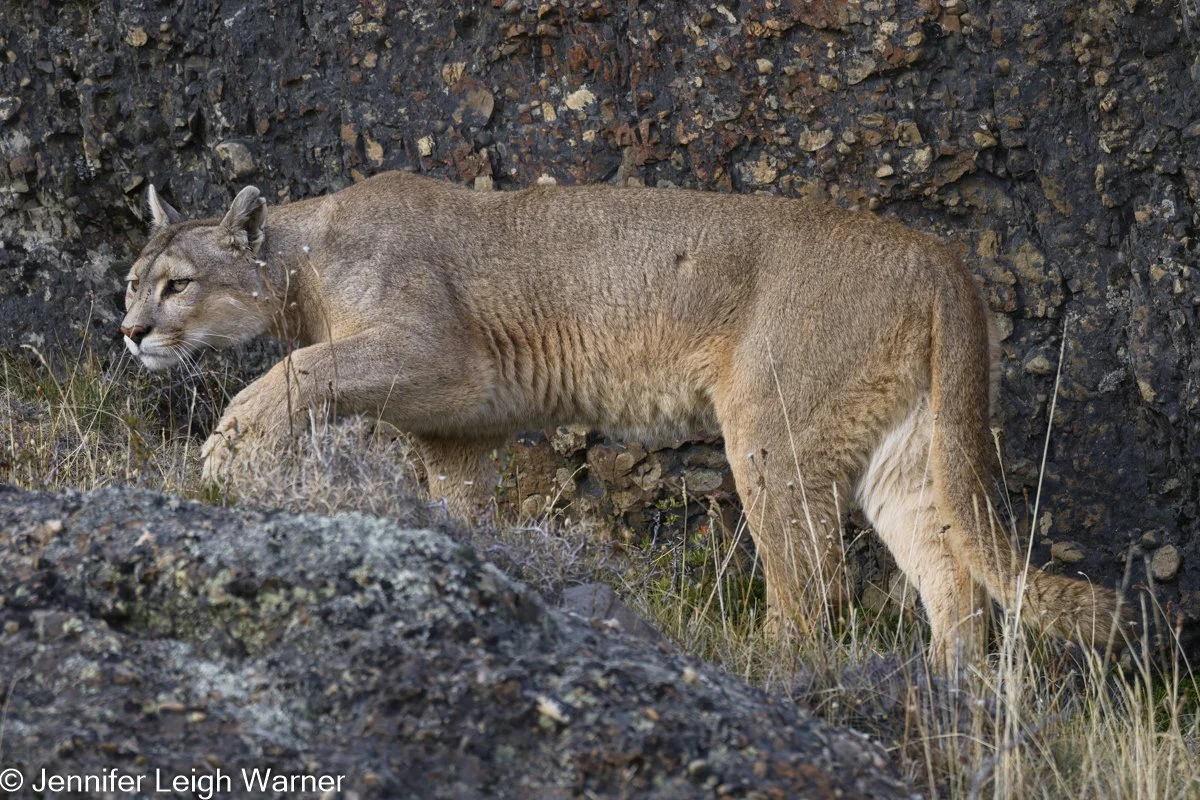
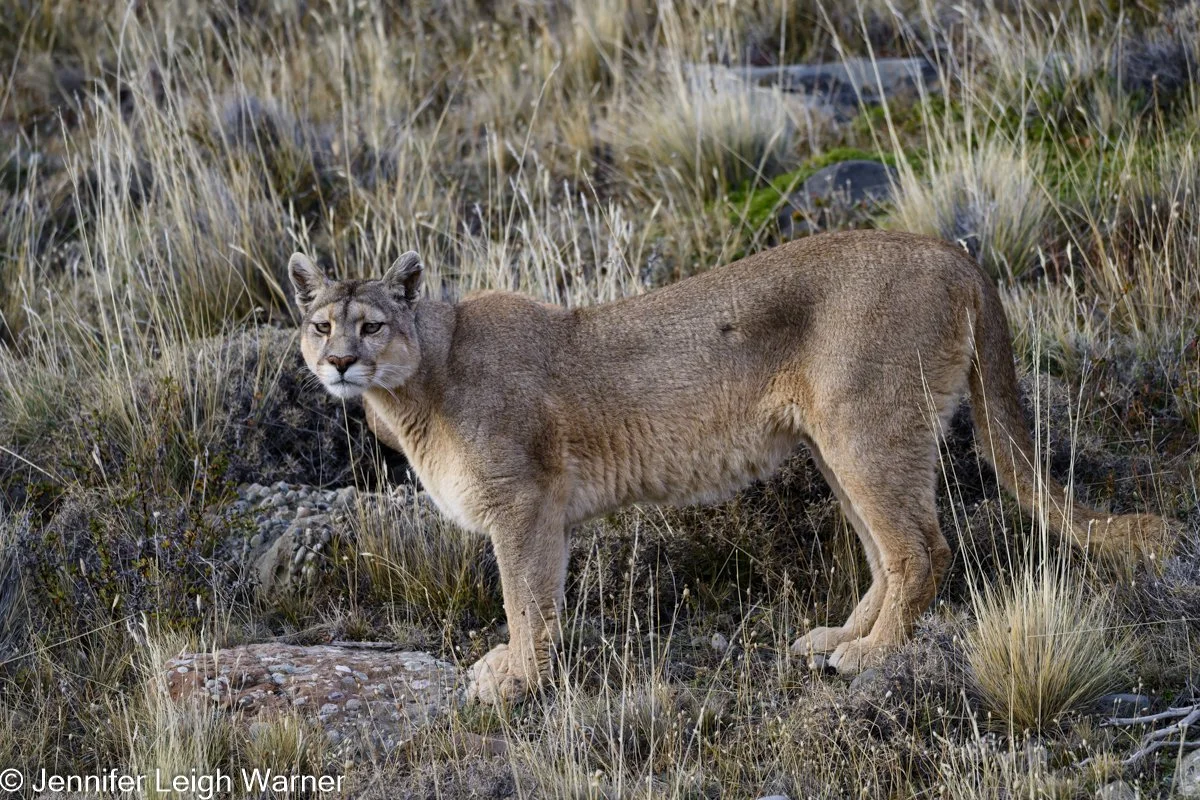
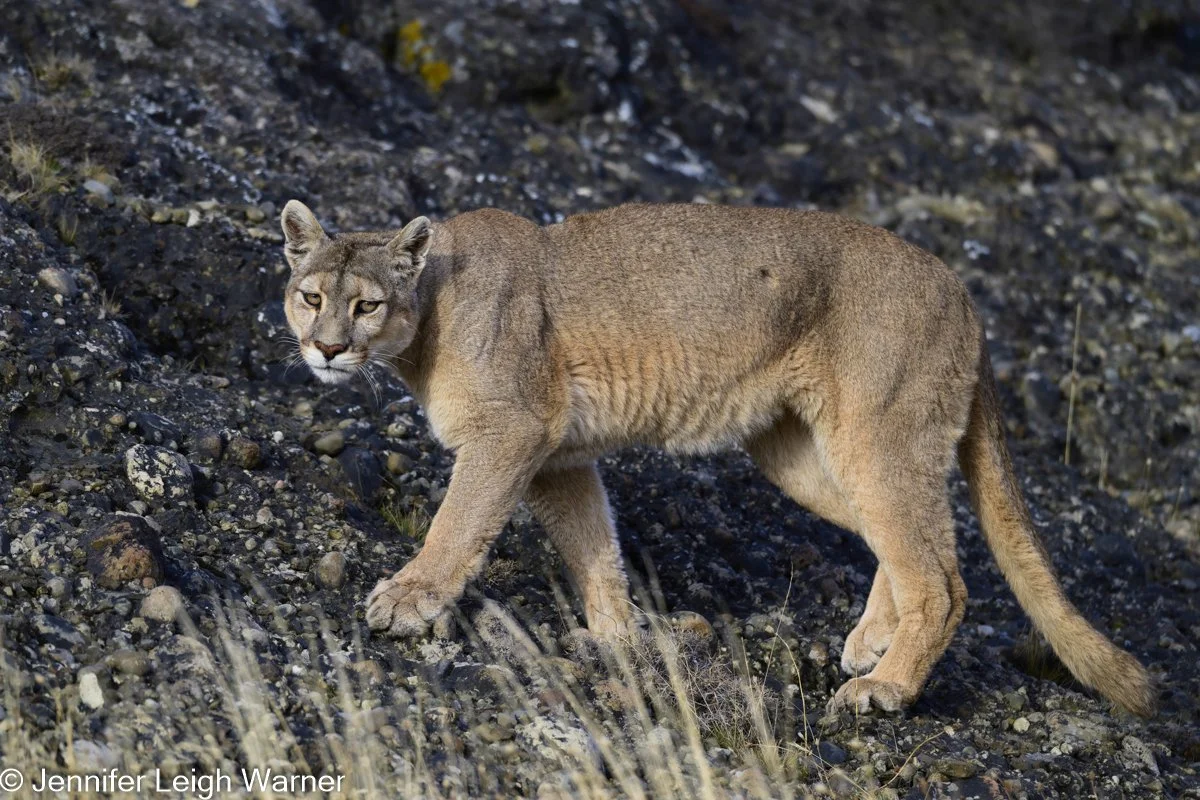
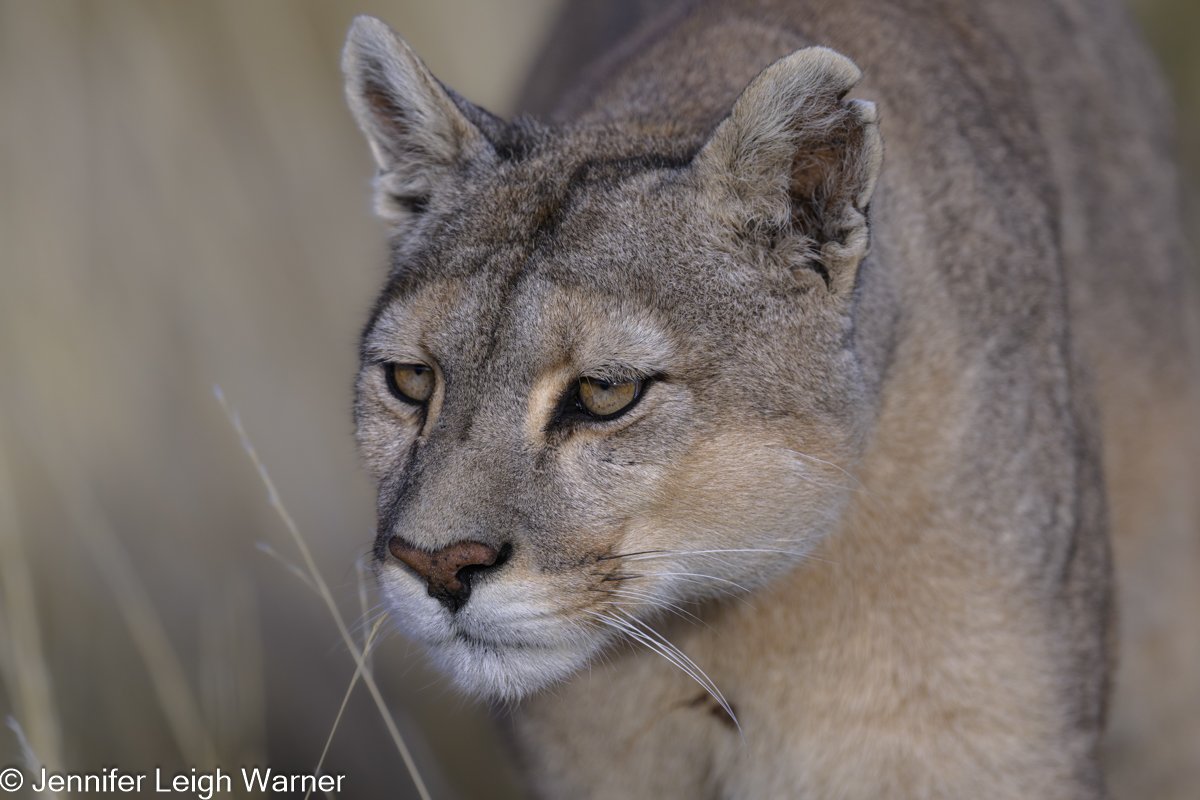
Dania one of the most popular pumas in the area.
You might be more familiar with the terms "cougar" or "mountain lion," commonly used in the United States to refer to these big cats. Remarkably, pumas hold the world record for having the most common names of any species, boasting as many as 40 different monikers. However, in Patagonia, they are universally known as pumas, and this is how I will refer to them throughout this narrative.
In an unexpected turn of events, I received a message from Albatross Birding Tours, a renowned company specializing in nature-focused excursions. They were organizing a scouting trip specifically for tour leaders, an opportunity to experience Patagonia firsthand with the aim of developing future guided tours. The prospect of collaborating with such a reputable organization was exhilarating, and I immediately seized the chance.
I was joined by four other tour leaders, as well as two experienced guides and two professional puma trackers, of course all men, other than myself. Given the elusive nature of our subject, we needed all the help we could get. Each member of our team brought a unique set of skills and knowledge, contributing to a well-rounded and effective expedition. The tour leaders, like myself, were eager to gain firsthand experience in Patagonia's wilderness, while the guides provided invaluable insights into the local geography and wildlife behavior.
In my quest to capture these magnificent creatures, we visited Estancia Laguna Amarga, a 7,000-hectare private reserve that borders the renowned Torres del Paine National Park in Chilean Patagonia. This reserve boasts the highest density of pumas in the world. The Goic family, the visionary caretakers of this land, transitioned it from a sheep farm into a pioneering conservation model. By eliminating human-predator conflicts through the use of livestock guardian dogs and promoting ethical wildlife tourism, they have created a haven for these majestic cats.
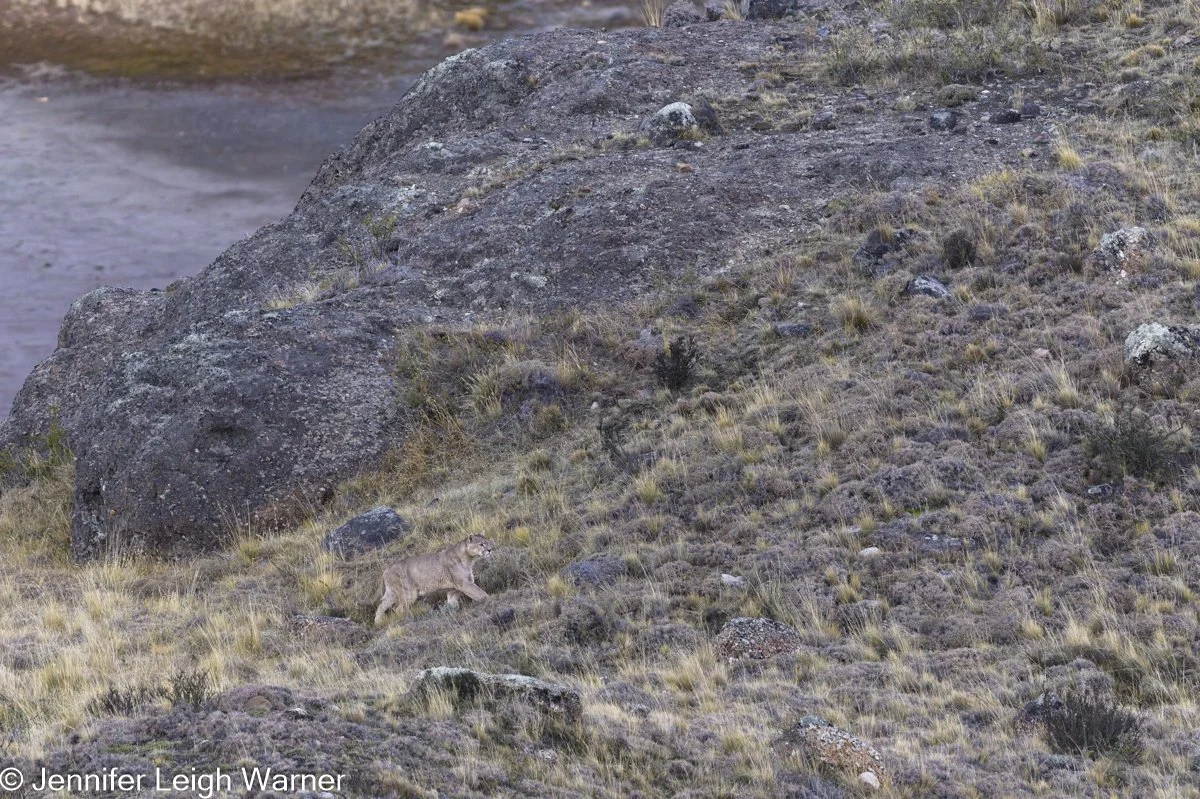
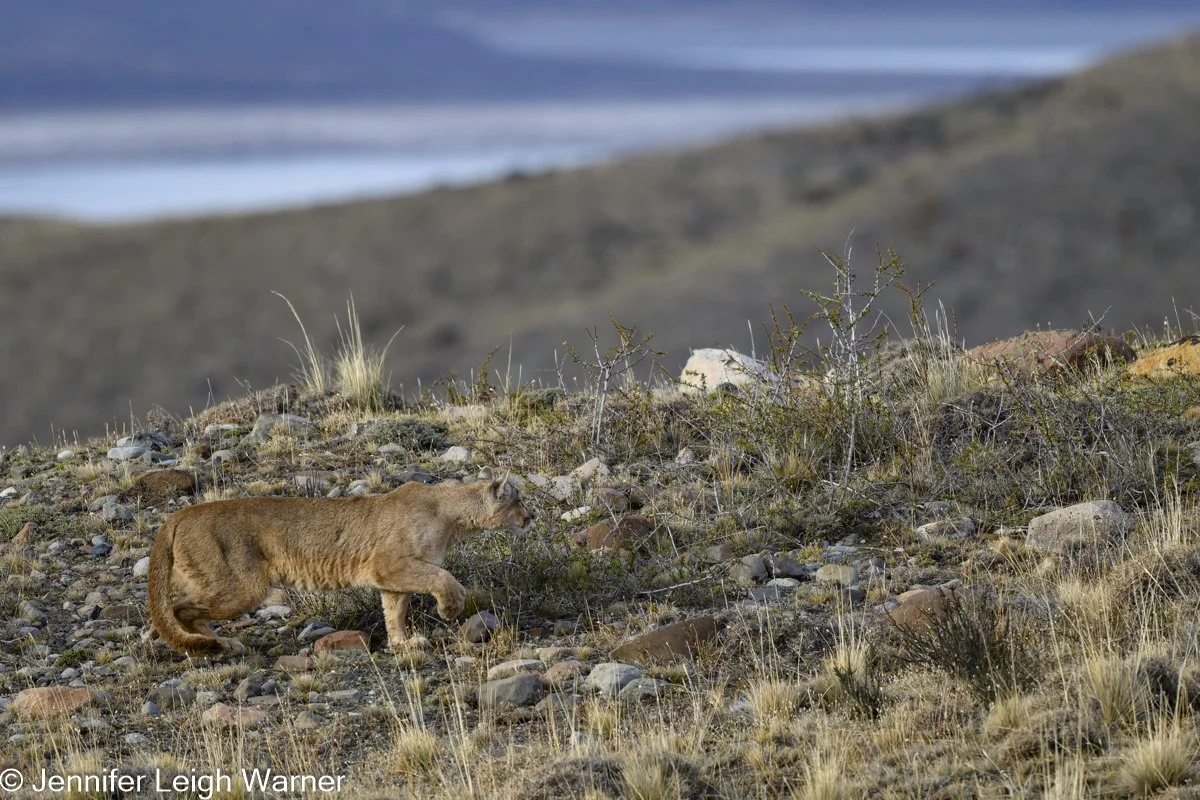
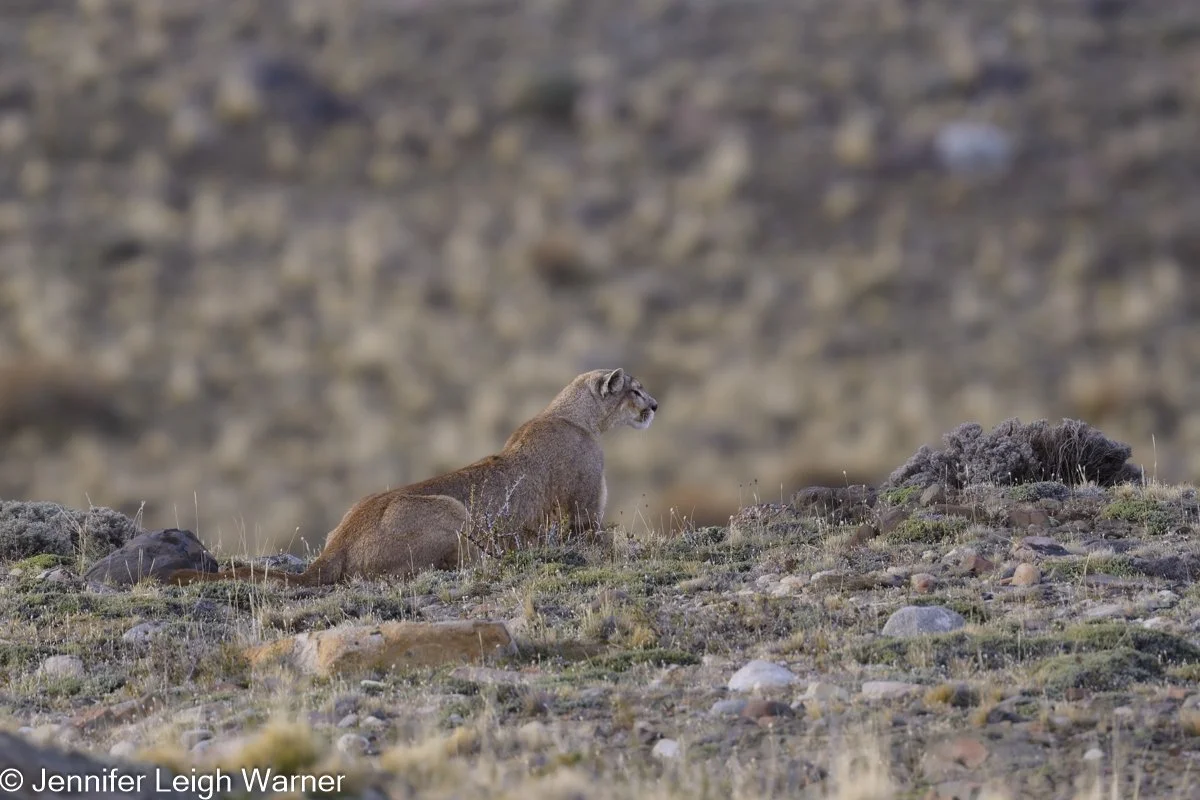
A male puma on the hunt from half a mile away.
To ensure the protection of pumas at Estancia Laguna Amarga, rigorous conservation measures have been implemented. All tracking is conducted exclusively by authorized naturalist guides, ensuring that the pumas' safety and natural behavior are prioritized. Strict conservation rules are enforced including, Vehicle Restrictions: Vehicles must remain on established dirt tracks to prevent habitat damage from off-roading. Time Limits: Viewing groups are limited to 7 hours per day to minimize disruption.
Maintaining Distance: Visitors are required to maintain a safe distance, further reducing any stress on the animals.
These efforts underscore the importance of respecting wildlife and their habitats, ensuring that future generations can also experience the awe of seeing these "ghost cats" in their natural environment. My journey to Patagonia was not just about photography, it was a profound reminder of our responsibility to protect and preserve the wonders of the natural world.
Tracking pumas requires patience, perseverance, and a keen eye for detail. These animals are masters of camouflage, blending seamlessly into their surroundings. However, the thrill of spotting a puma in the wild is unparalleled, and each encounter offered a unique glimpse into their world.
The puma trackers were particularly impressive, possessing an uncanny ability to read the land and detect subtle signs of puma presence. Their expertise was essential in navigating the challenging terrain and significantly increased our chances of spotting these magnificent creatures. They taught us how to look for tracks, understand the pumas' hunting patterns, and interpret the subtle clues left behind in the landscape.
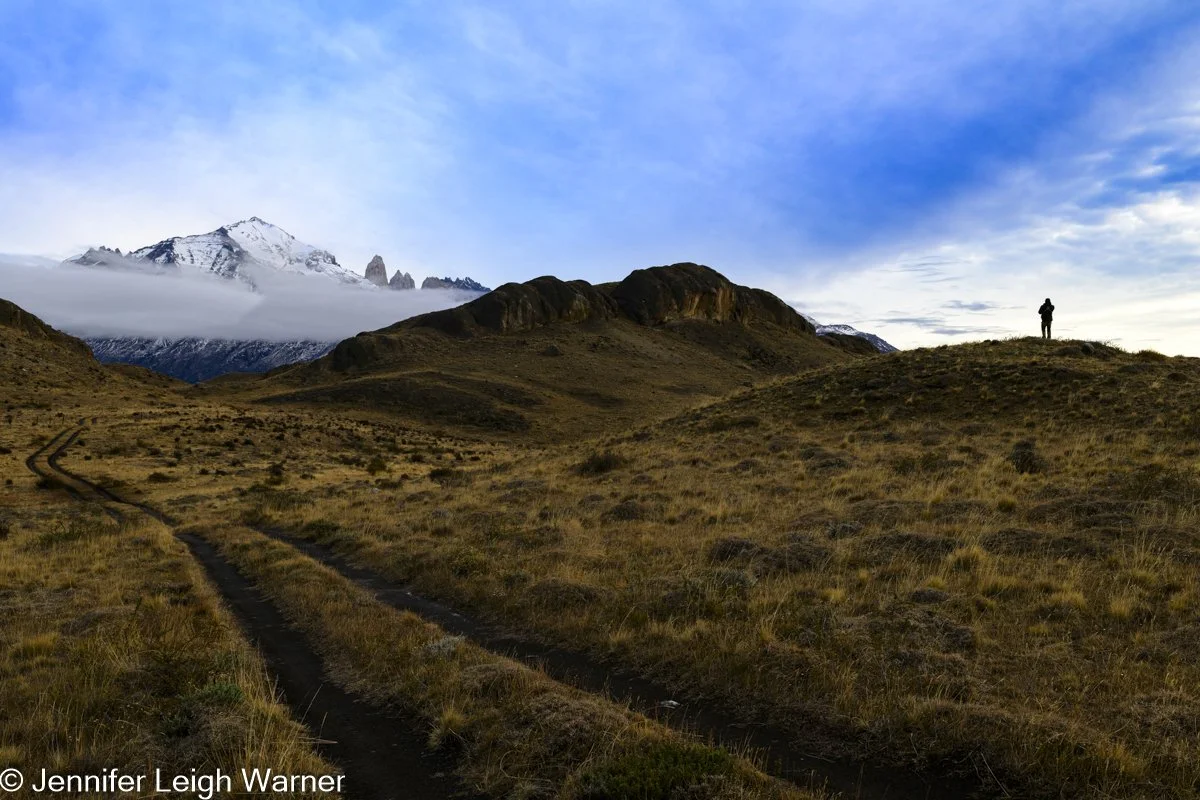
Our trackers using thermal scope to look for pumas in the vast wilderness.
Together, we formed a dynamic and cohesive team, united by a shared passion for wildlife and exploration. The collaboration among us fostered a sense of camaraderie and mutual respect, as we learned from each other's experiences and insights. This collective effort not only enhanced our chances of success in photographing pumas but also enriched our overall journey through this stunning region.
As we ventured deeper into the heart of Patagonia, we encountered various challenges, from unpredictable weather to the rugged terrain. However, each obstacle was met with determination and teamwork, transforming potential setbacks into opportunities for growth and learning. The triumph of finally capturing images of pumas in their natural habitat was a testament to the dedication and expertise of our diverse team.
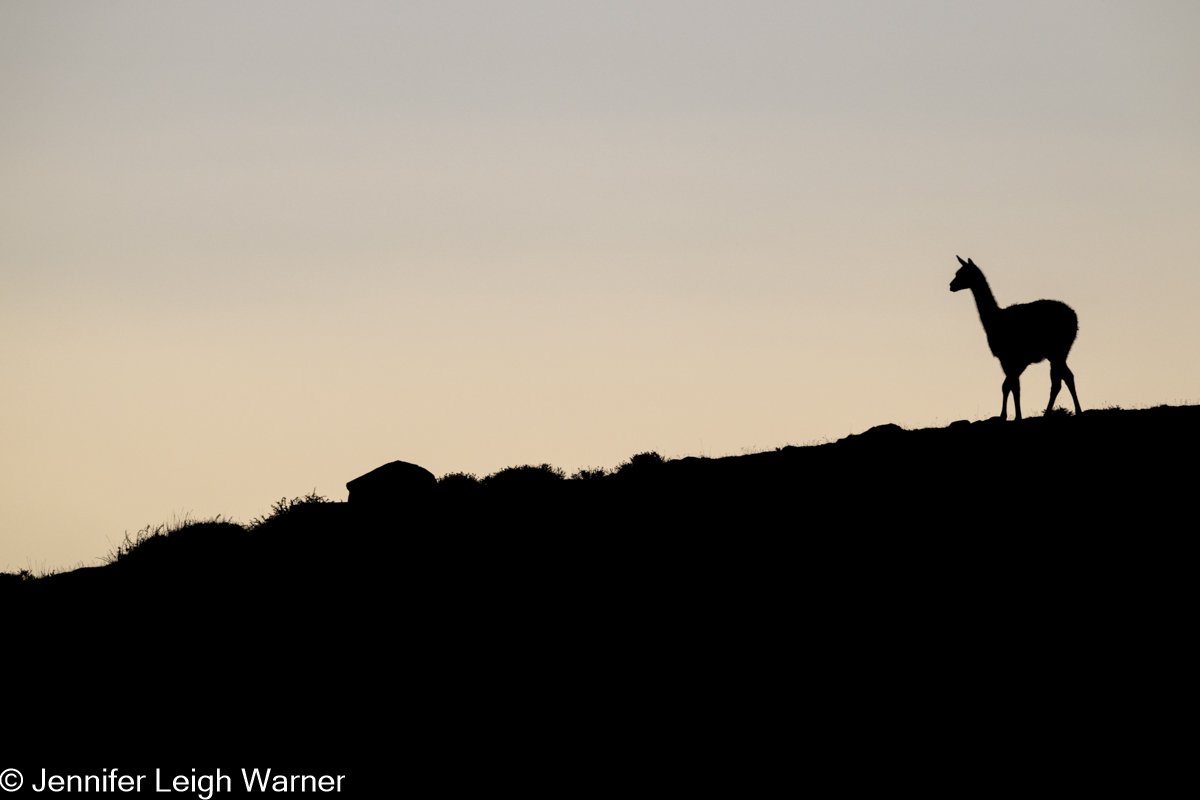
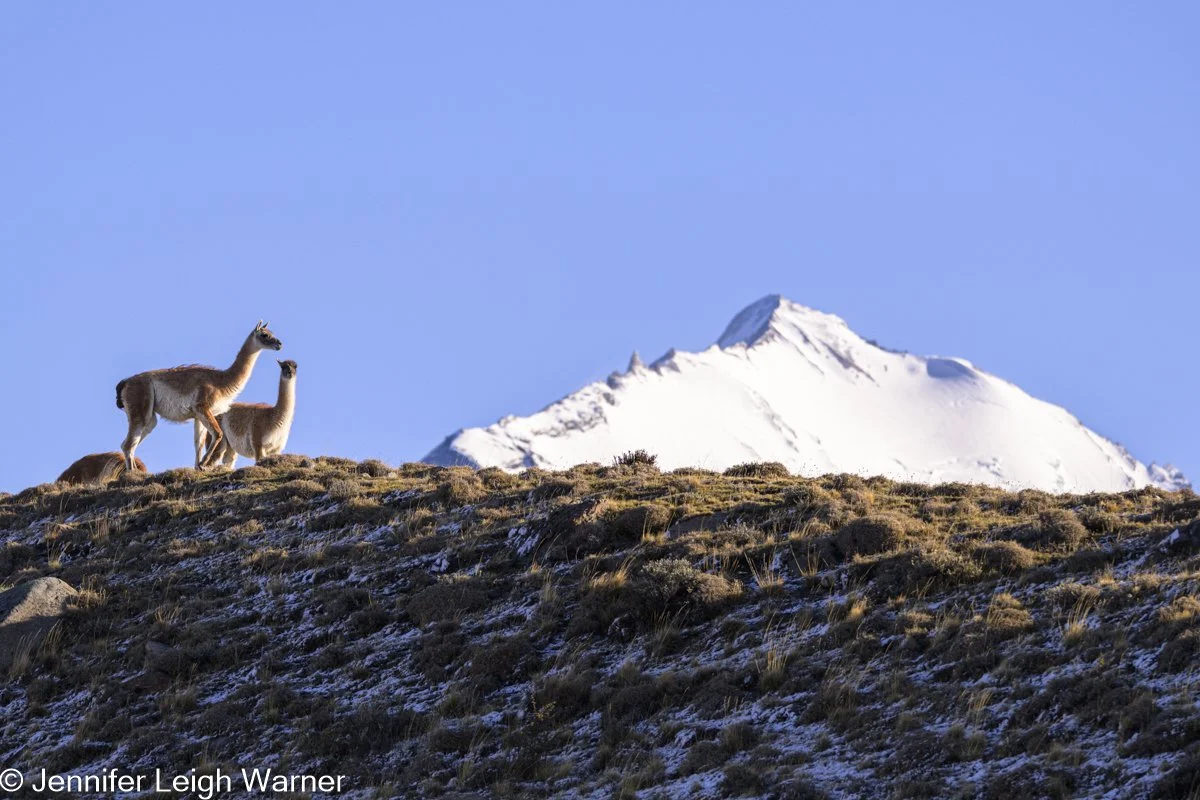
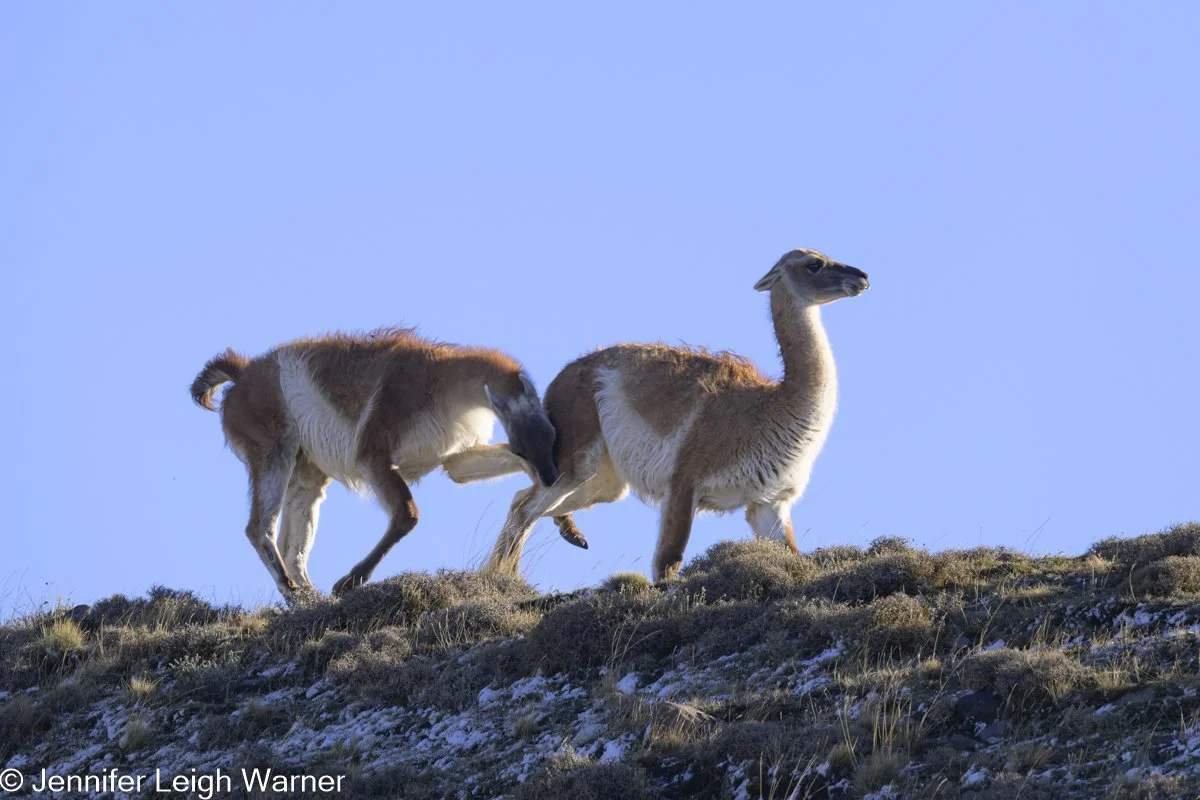
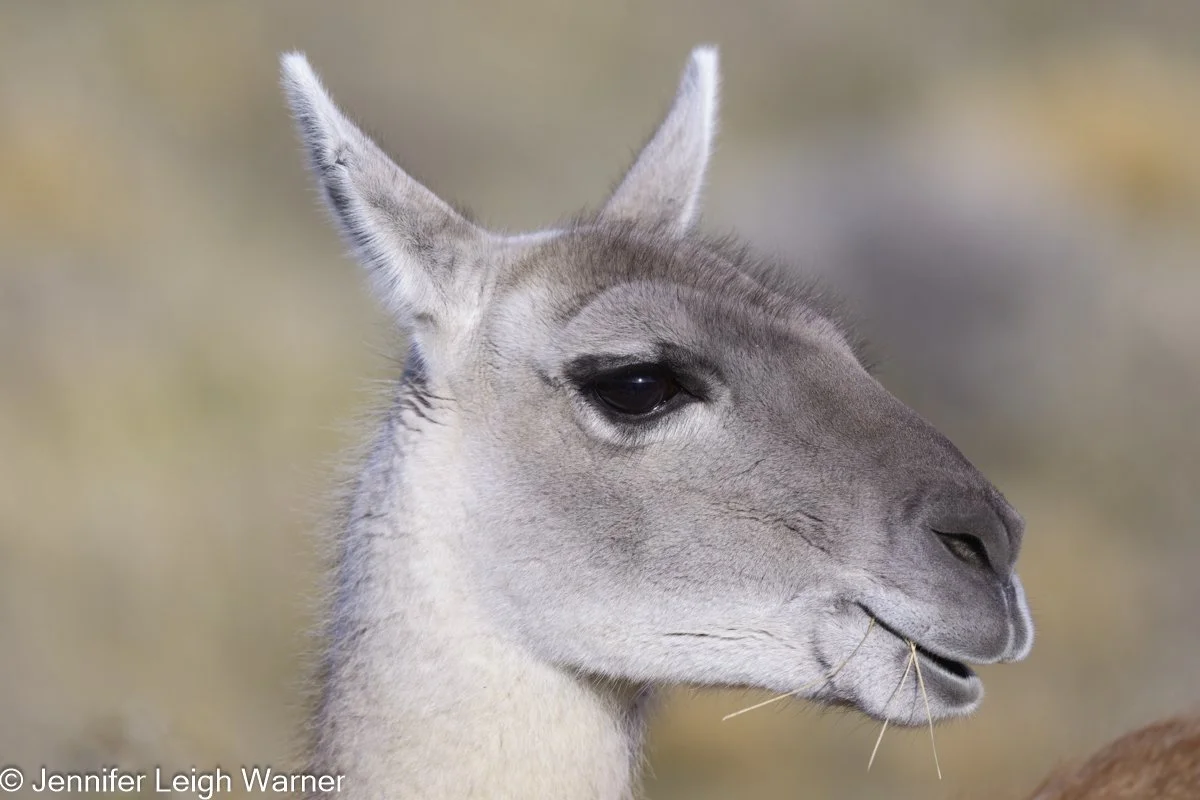
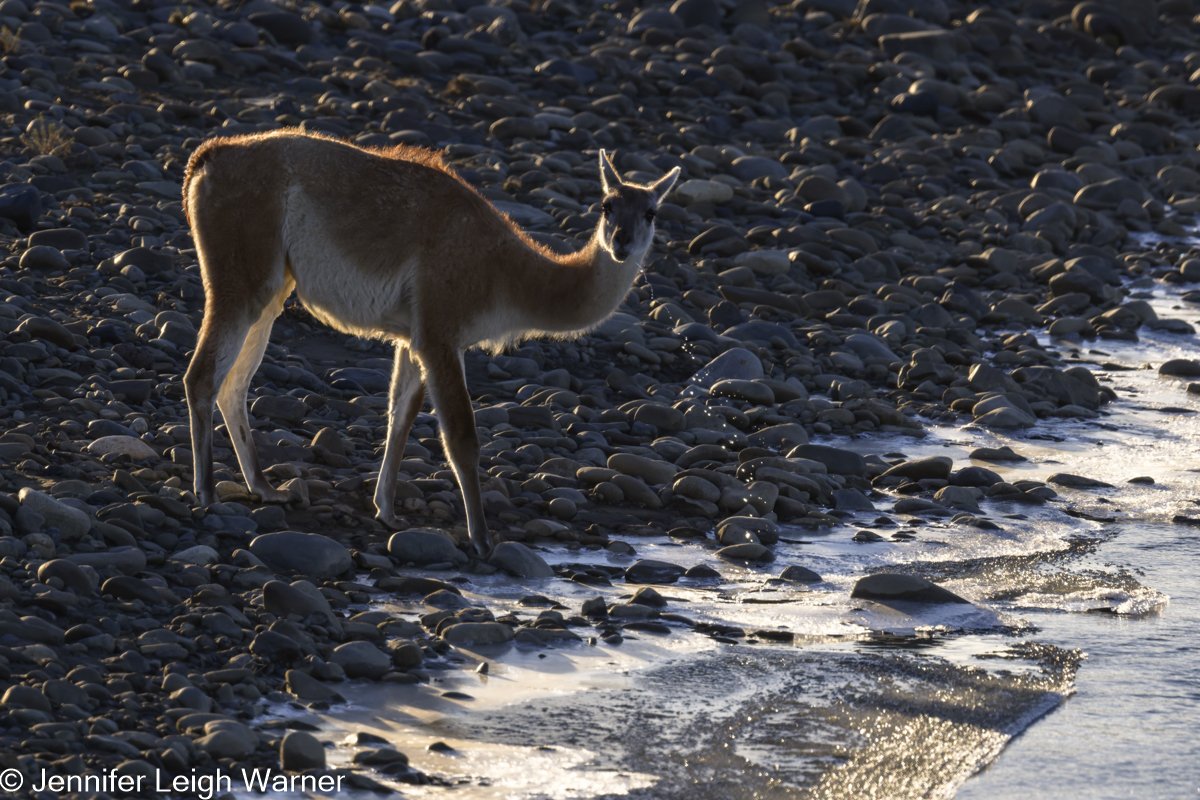
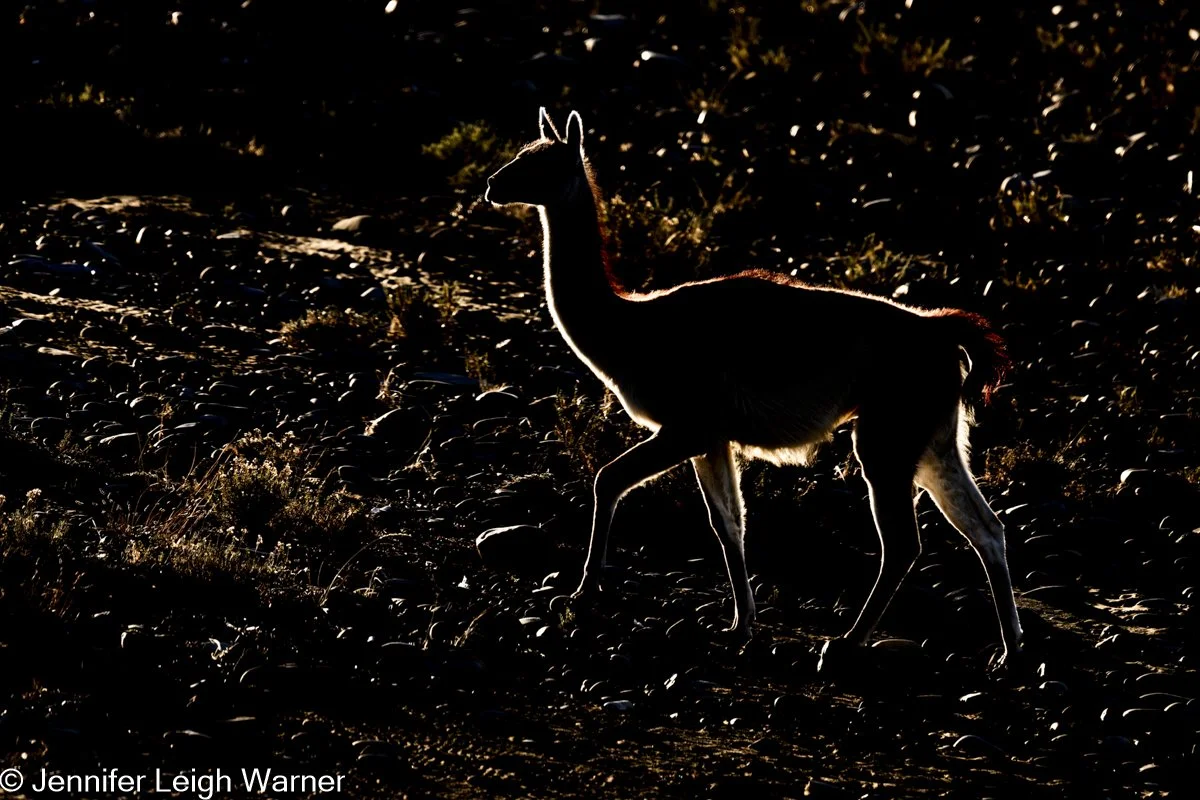
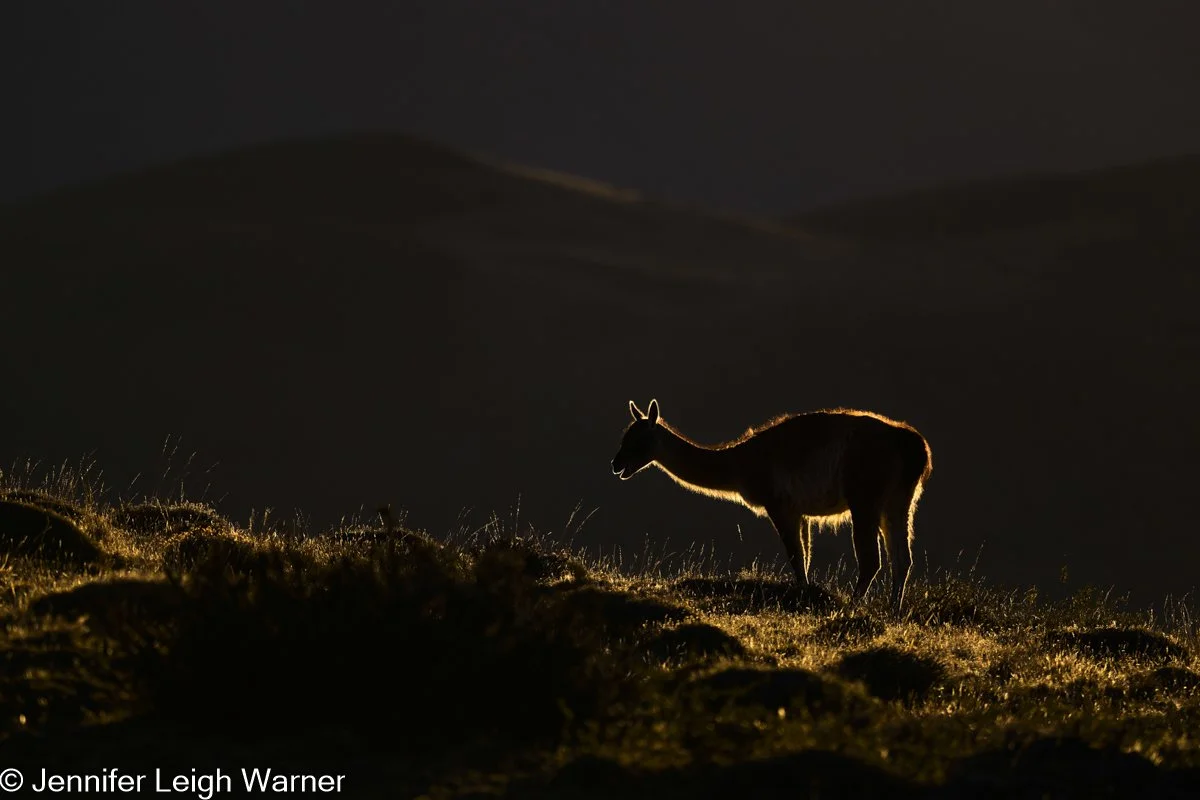
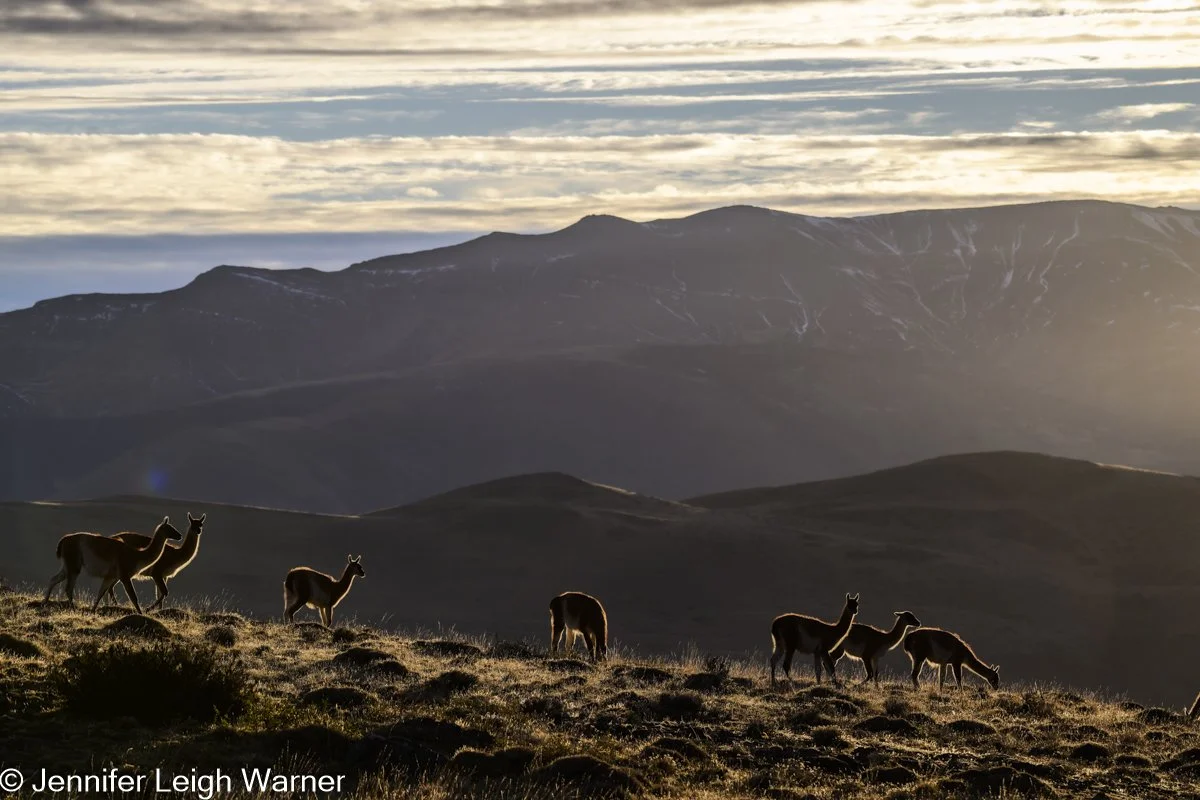
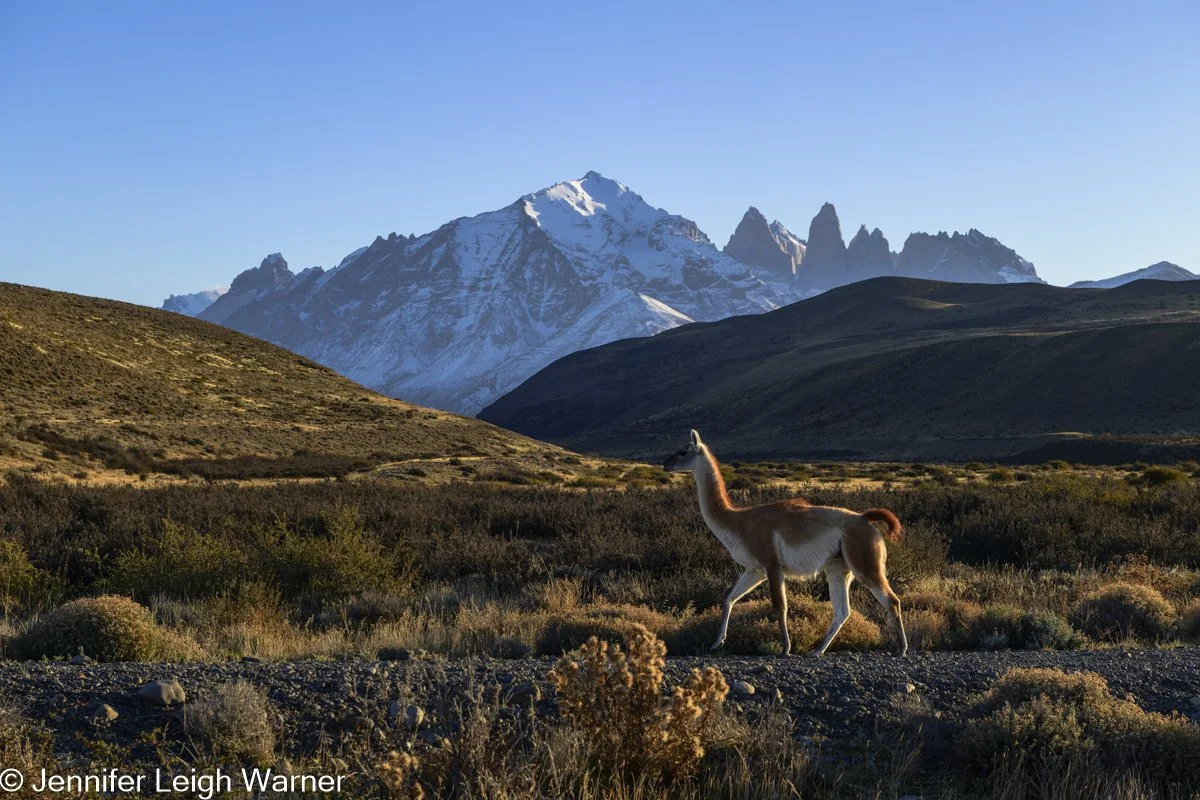
While our primary focus was on tracking and photographing the elusive pumas, our journey through Patagonia provided us with the opportunity to encounter a host of other fascinating wildlife. Among these, the guanaco stood out as the most frequently photographed animal during our expedition.
Guanacos, with their graceful appearance and curious demeanor, were a common sight on the rugged landscapes of Patagonia. These camelids, related to the llama, are plentiful in the region and play a crucial role in the ecosystem as the primary prey for pumas. The abundance of guanacos was a clear indication of why pumas thrive in this habitat, as the presence of a reliable food source supports a healthy population of these big cats.
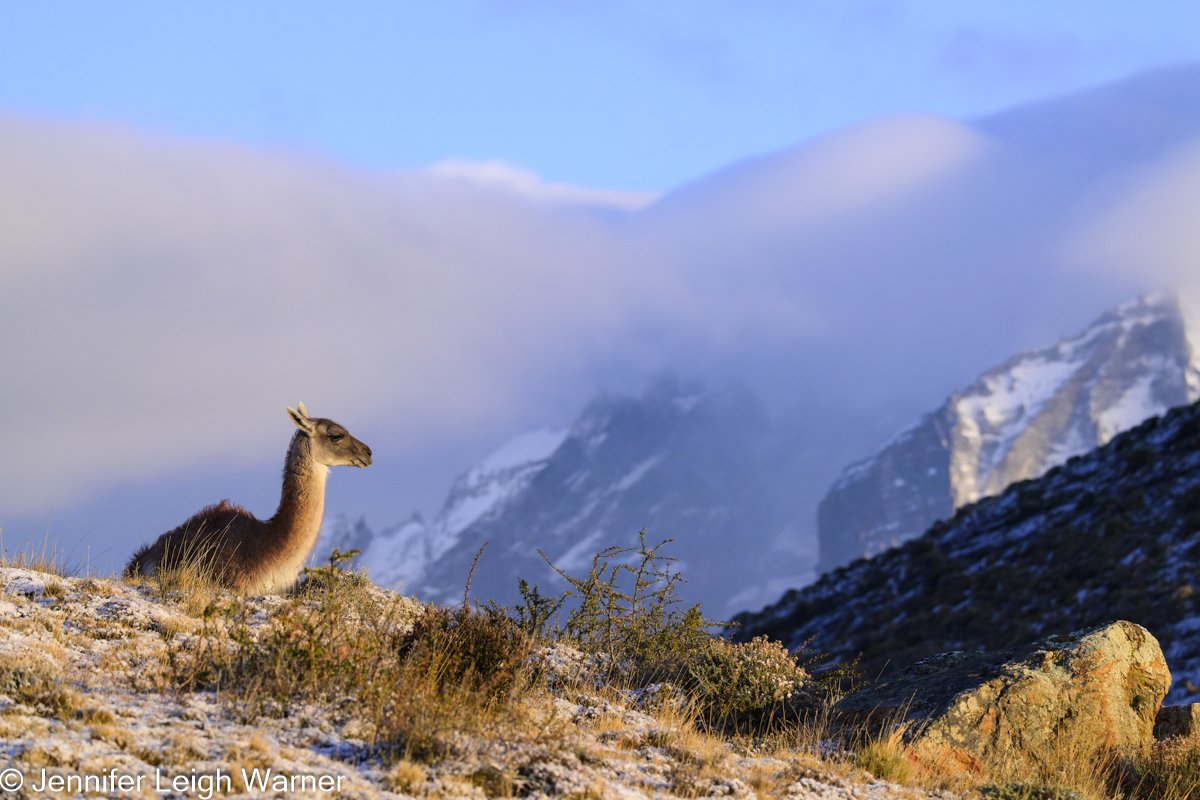
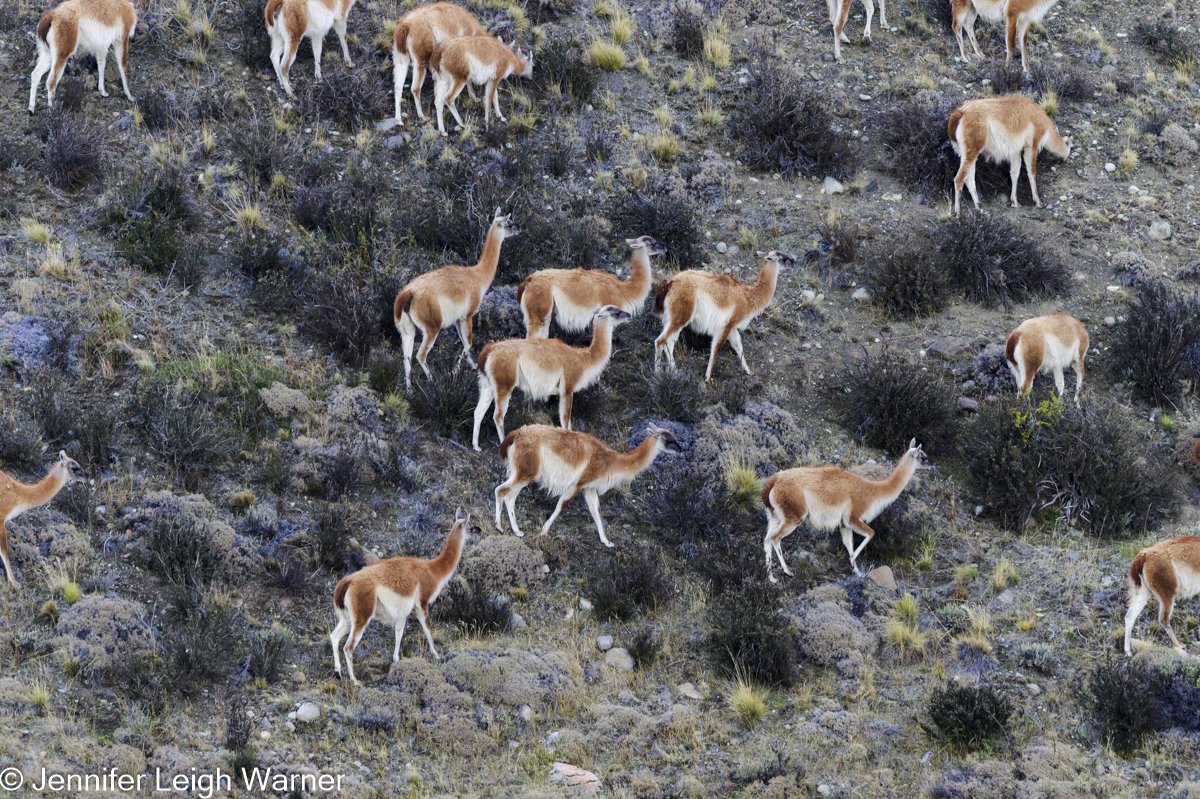
Additional Wildlife Sightings
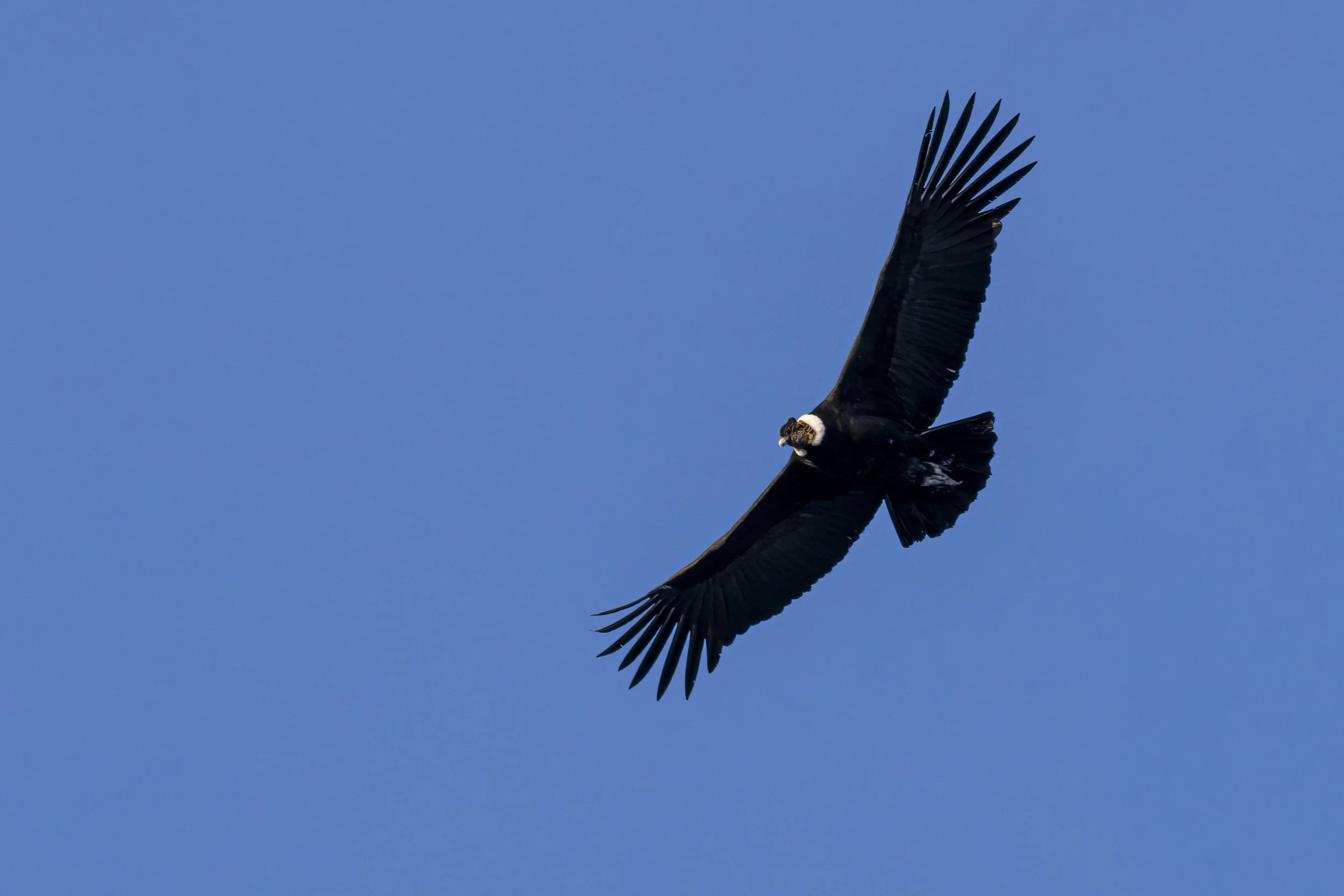
Andean Condors: These majestic birds, with their impressive wingspans, soared above us, adding a dramatic touch to the expansive Patagonian skies. Known as one of the world's largest flying birds, the Andean condors are a symbol of power and freedom, and witnessing their flight was both humbling and awe-inspiring.
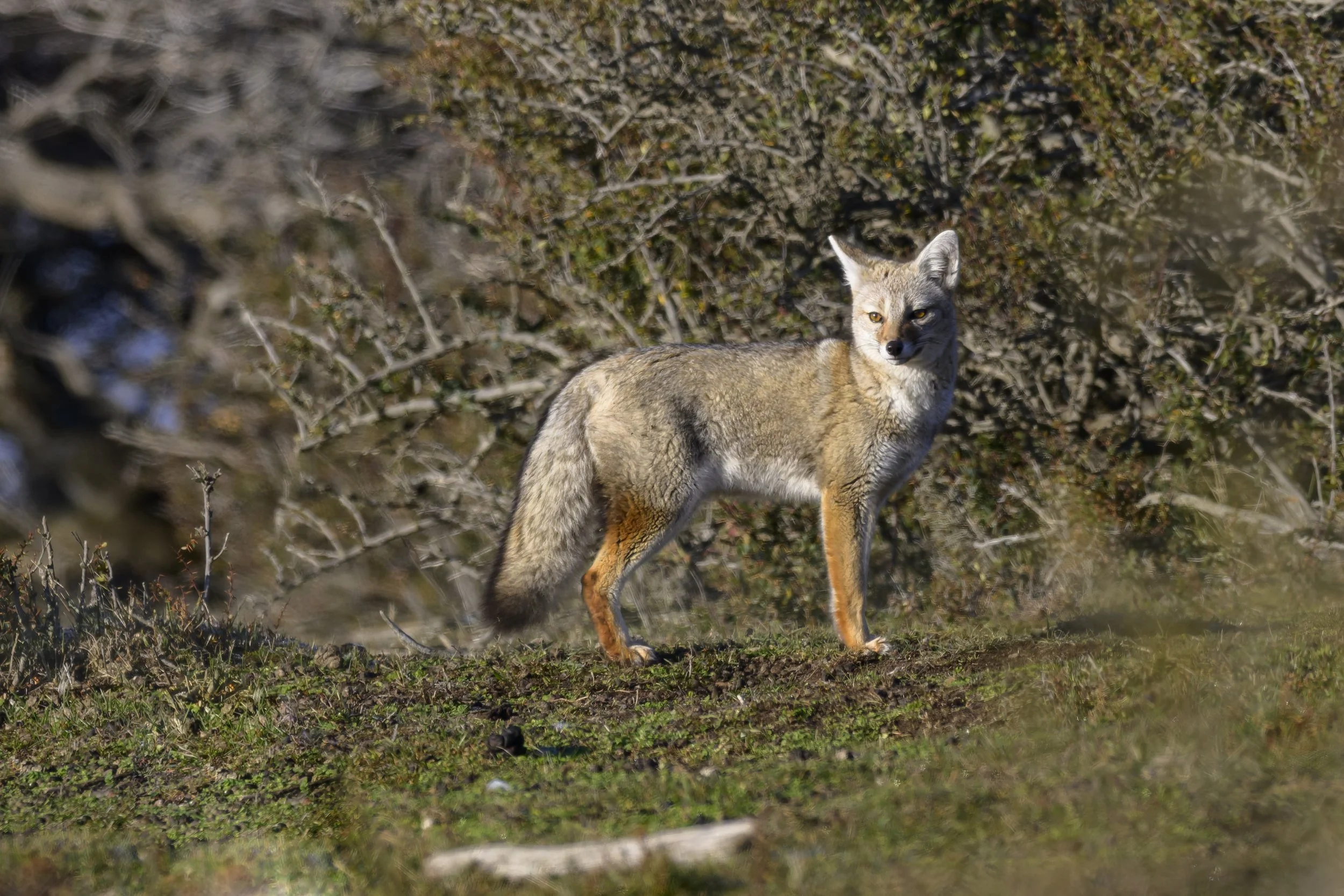
Grey Foxes: Among the intriguing fauna we encountered were the grey foxes, known for their adaptability and cunning nature. Unlike the Patagonian foxes, these smaller canids are often more elusive, but their presence was unmistakable. They contributed to the dynamic ecosystem of Patagonia with their role as both predator and scavenger, showcasing the intricate balance of the food chain in this diverse environment.
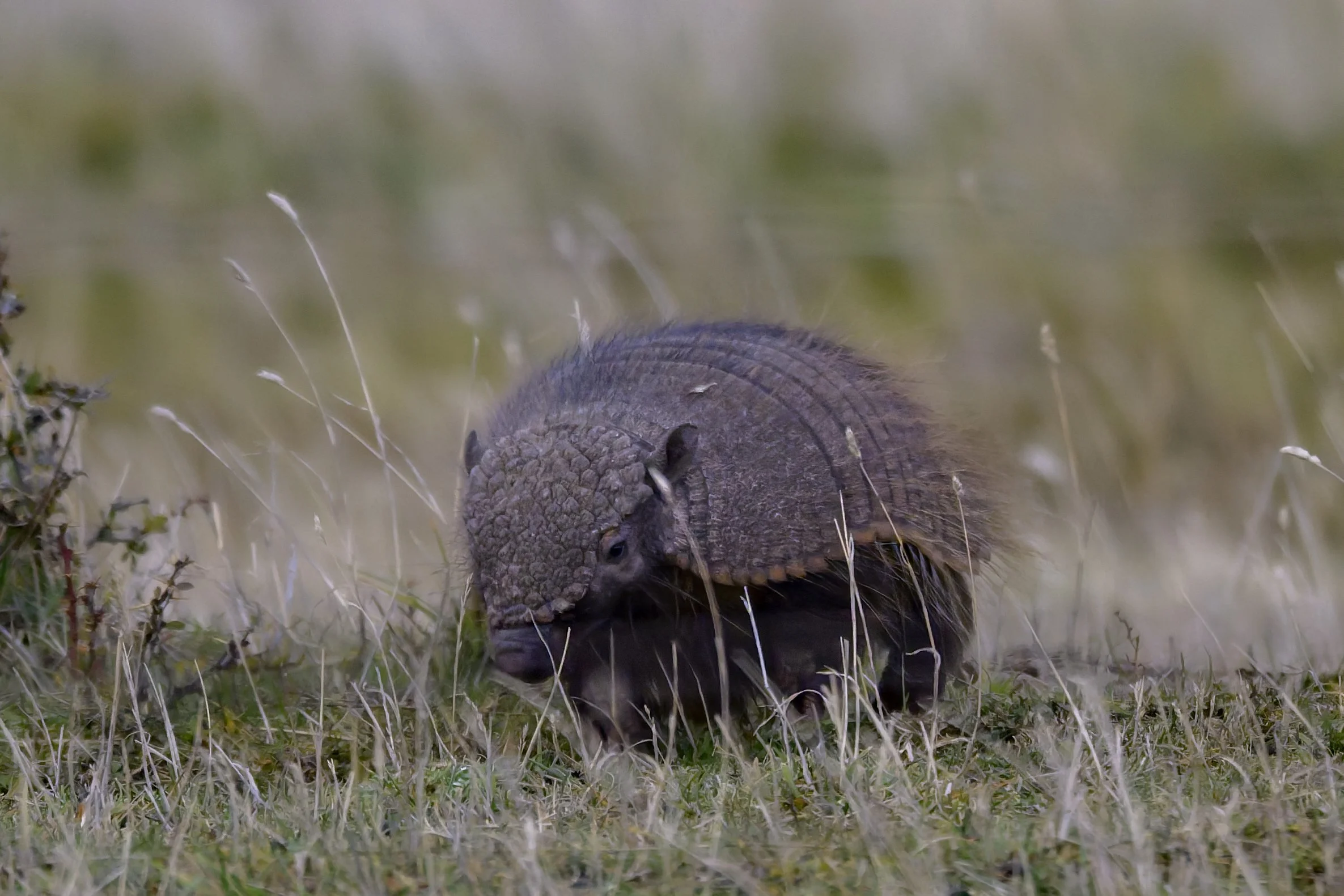
Hares and Armadillos: We also came across hares bounding swiftly through the underbrush and armadillos shuffling along the ground. These smaller mammals added to the rich tapestry of wildlife, each contributing to the diversity of life that makes Patagonia so unique.
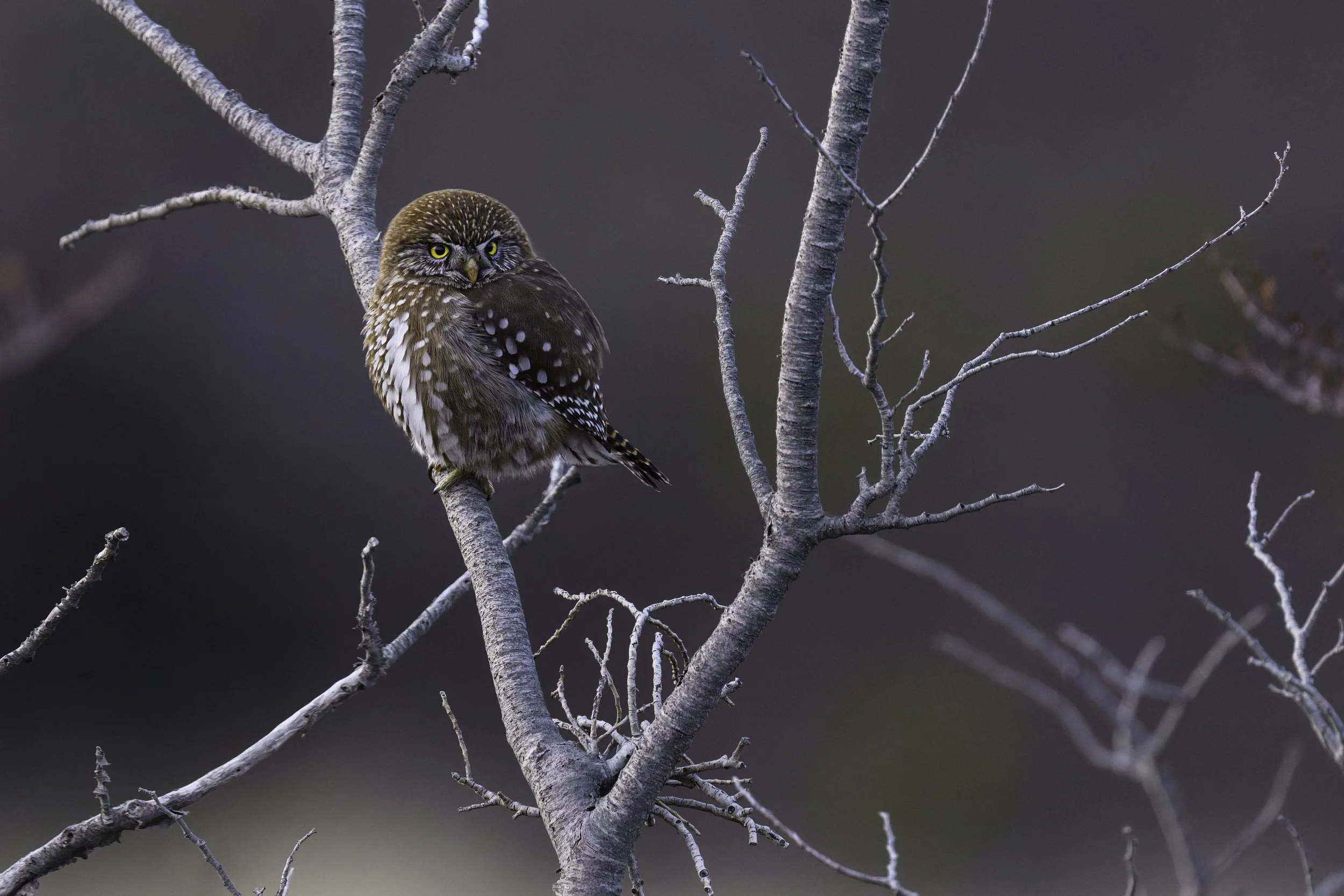
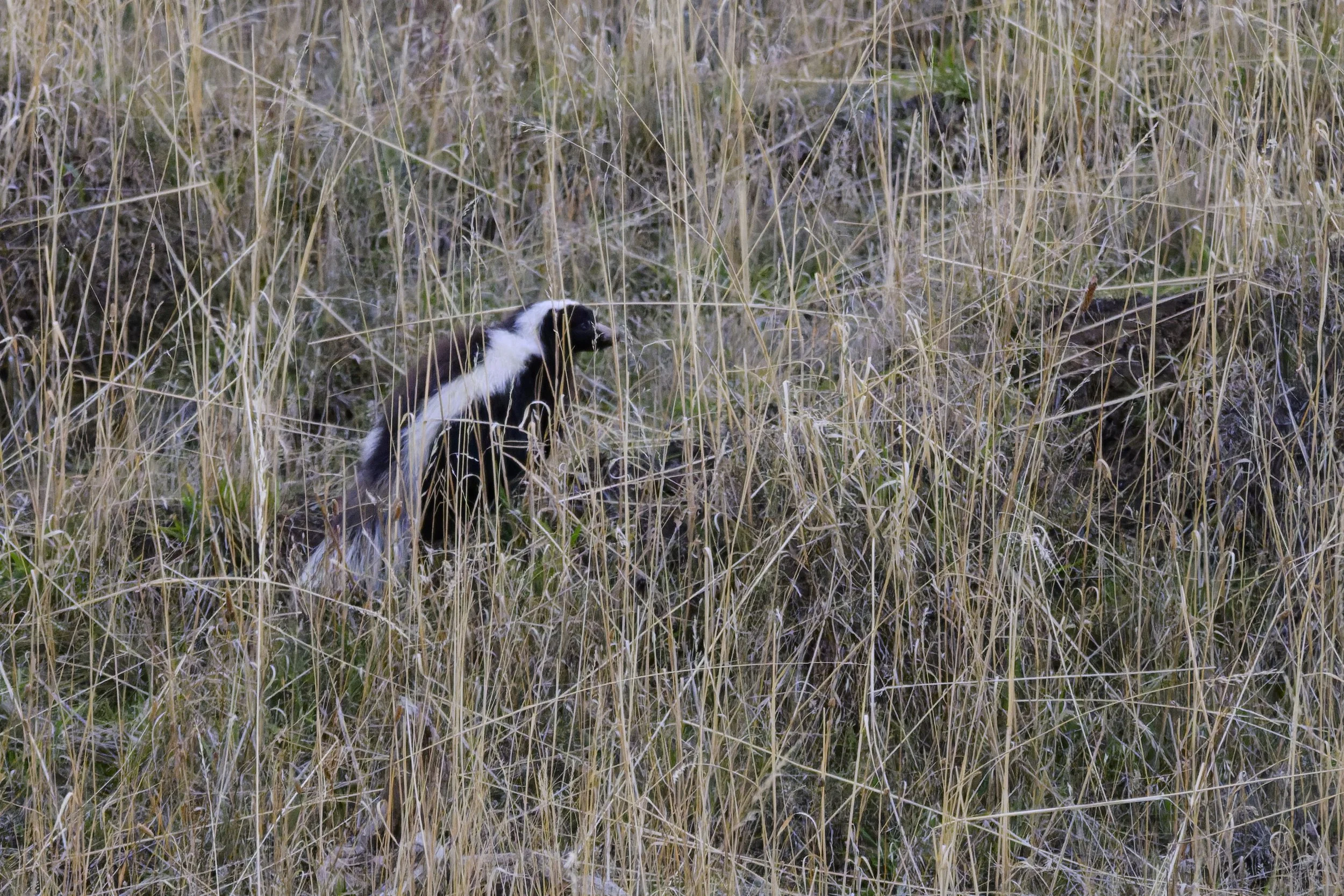
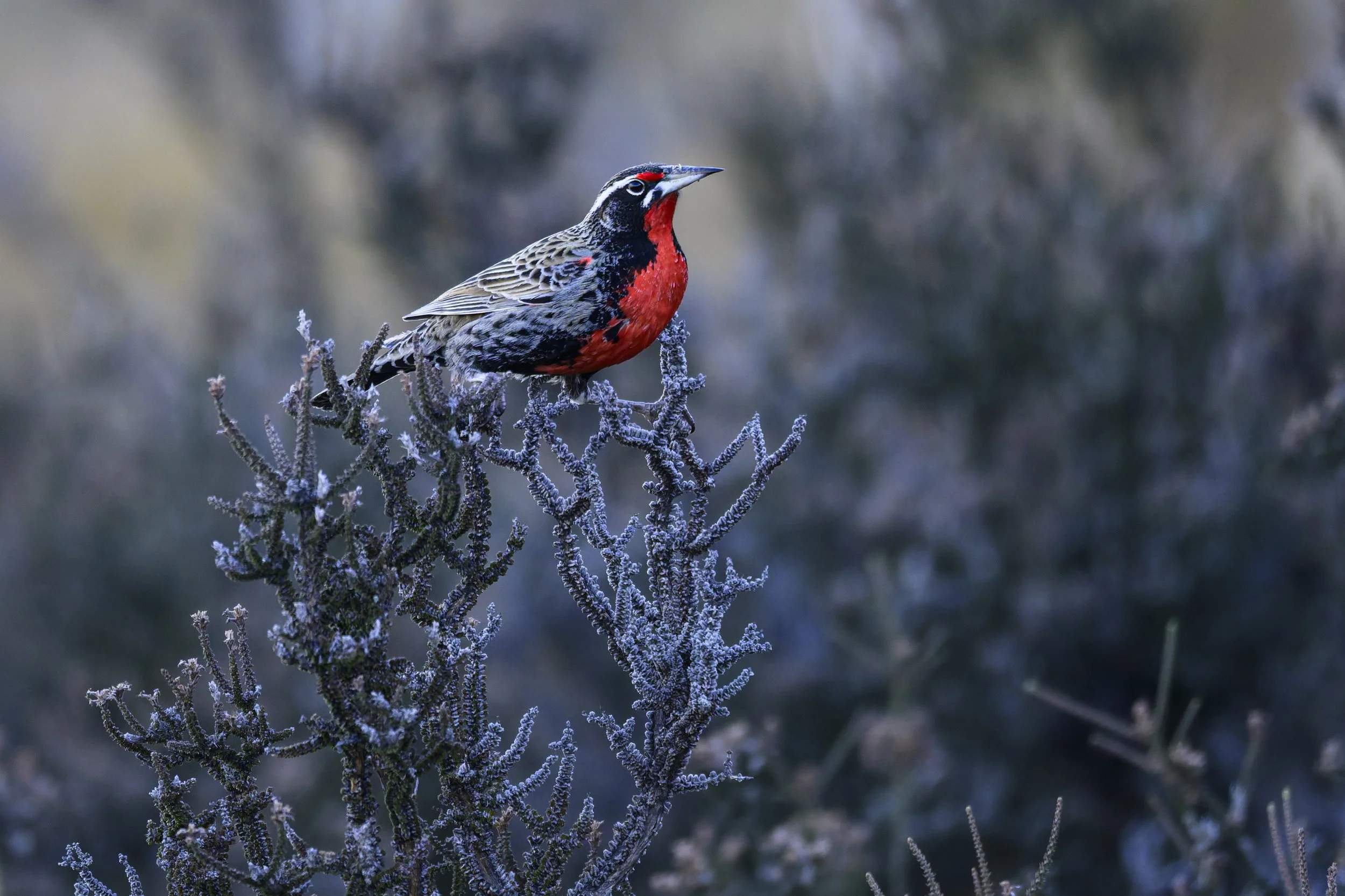
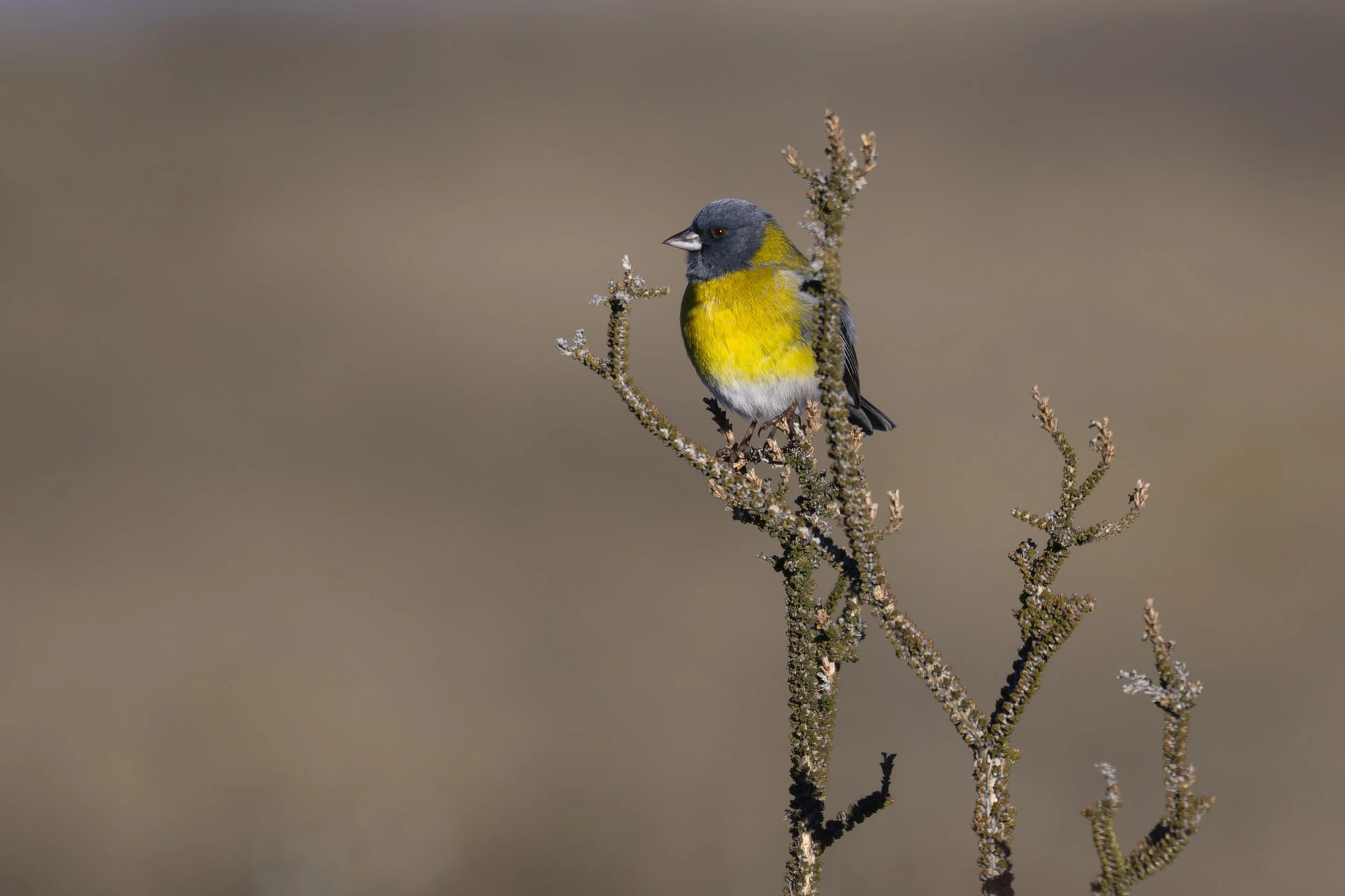
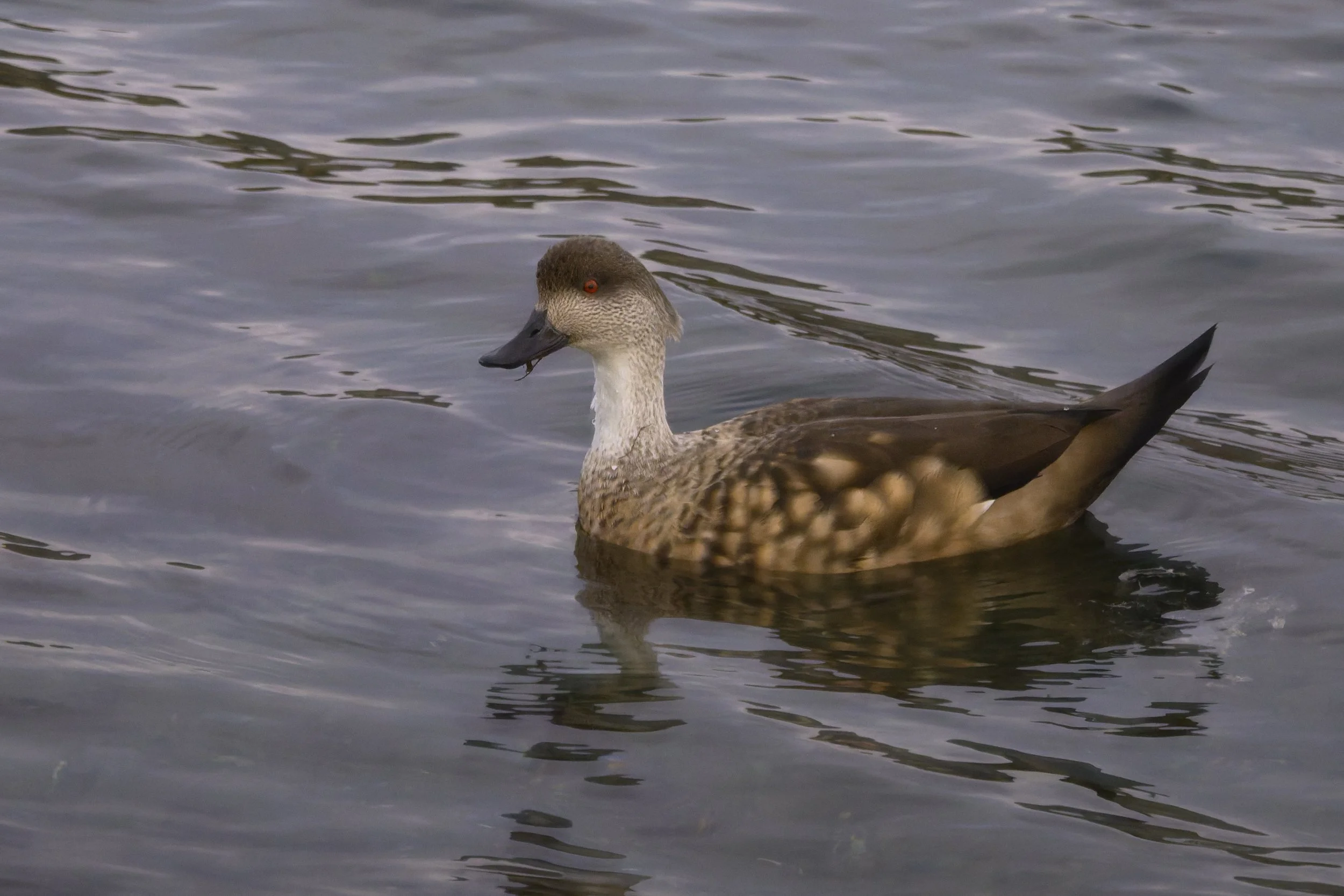
Birdlife: The region was alive with a variety of bird species, including:
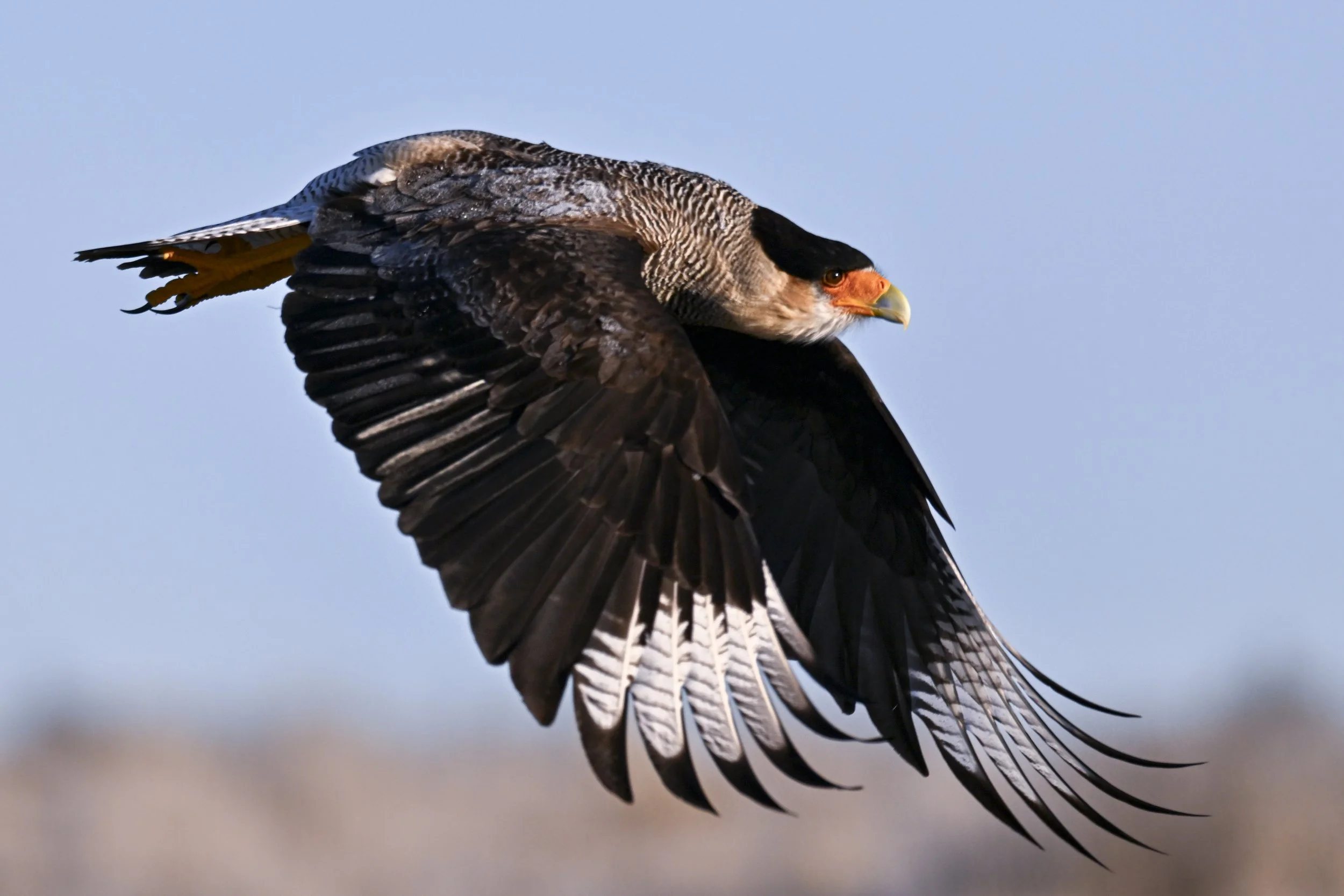
Crested Caracara: Among the birds of prey we observed was the striking crested caracara. With its bold markings and commanding presence, this bird added a touch of drama to the Patagonian landscapes. Known for its opportunistic feeding habits, the crested caracara is a symbol of adaptability, thriving in various environments across the region.
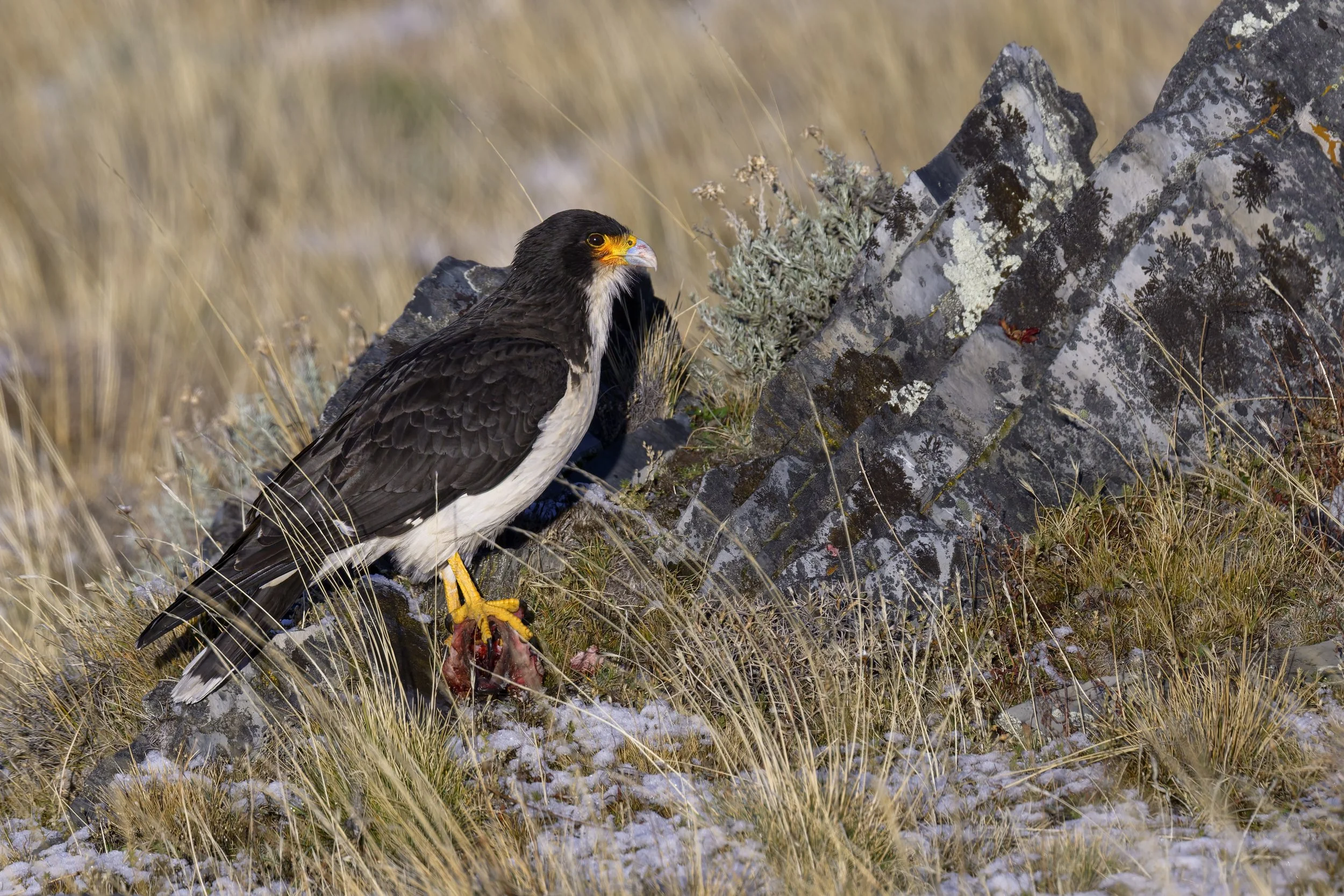
White-throated Caracara: Another fascinating raptor we encountered was the white-fronted caracara. This bird, less common than its crested counterpart, is notable for its distinctive white forehead and agile flight. Observing these caracaras in their natural habitat was a testament to the rich avian diversity that Patagonia supports.
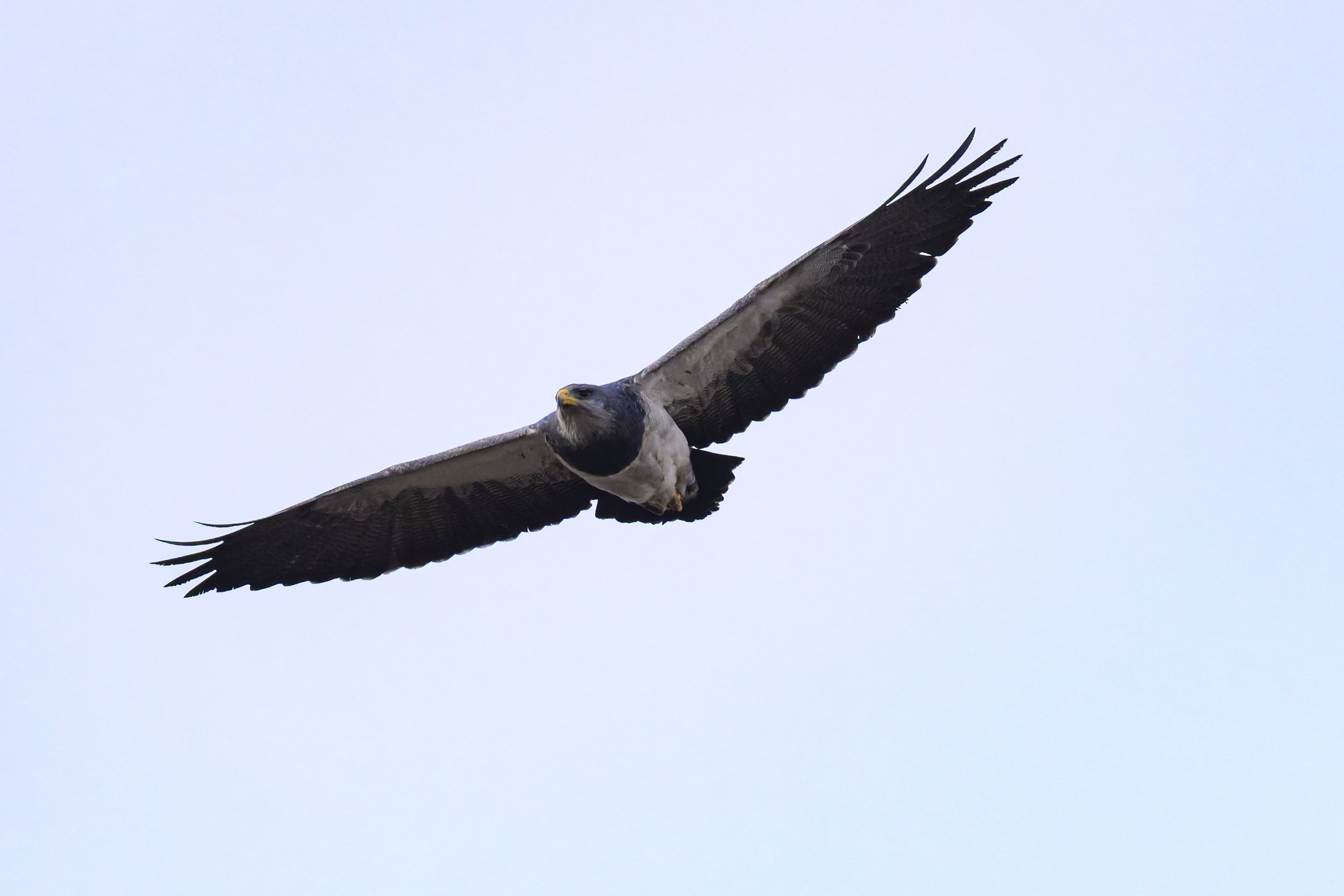
Black-chested Buzzard-Eagle: Soaring high above the rugged terrain, the black-chested buzzard-eagle was a majestic sight. Its powerful wings and keen eyesight make it a formidable predator, and its presence is a reminder of the strength and beauty of Patagonia’s avian predators.
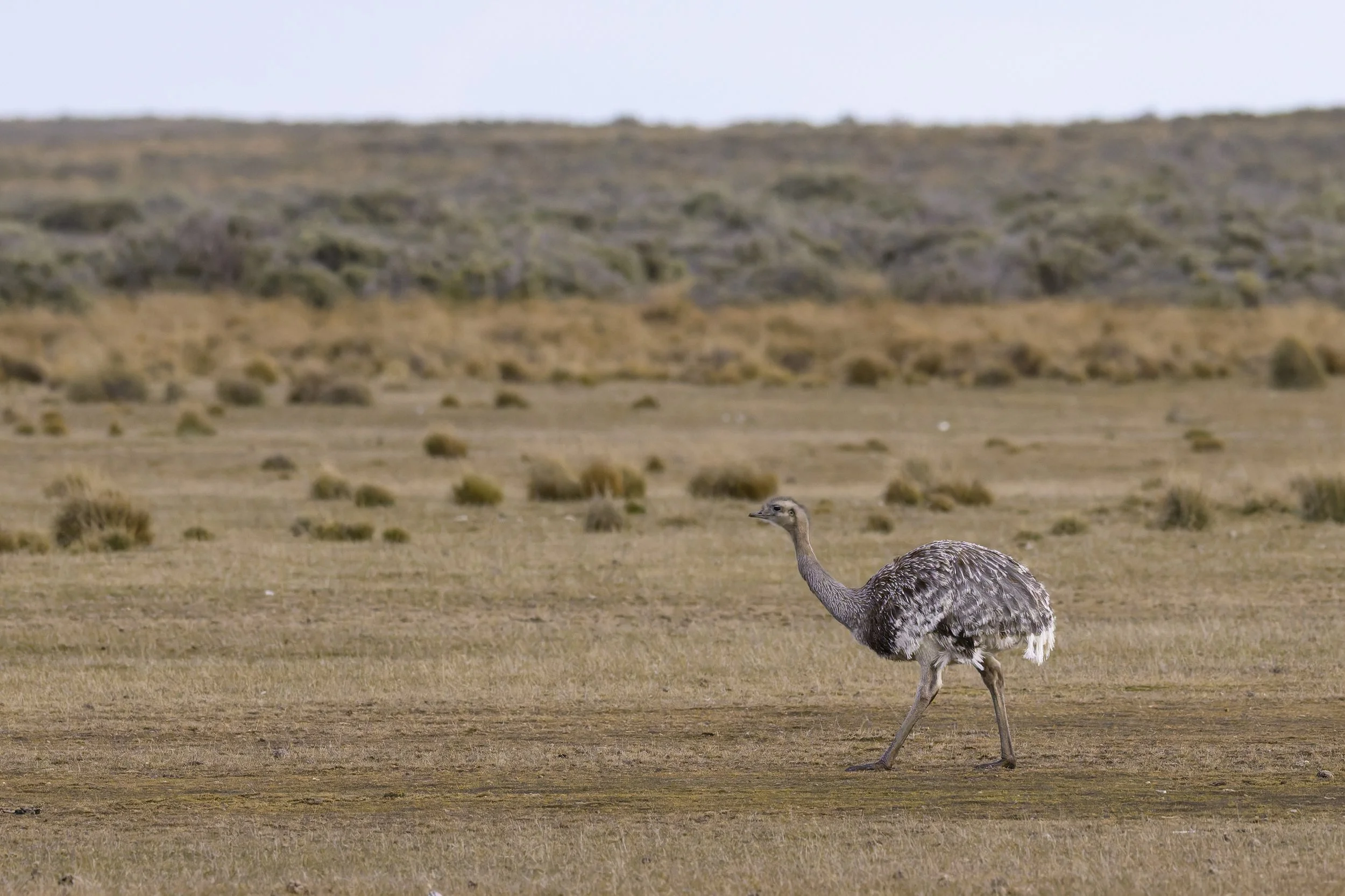
Rhea: The rhea, a flightless bird akin to the ostrich, roamed the open plains of Patagonia. These large, gentle creatures were often seen grazing in groups, their presence a reflection of the region's vast and open landscapes. Rheas are an integral part of the Patagonian ecosystem, contributing to the biodiversity and the unique character of this remarkable region.
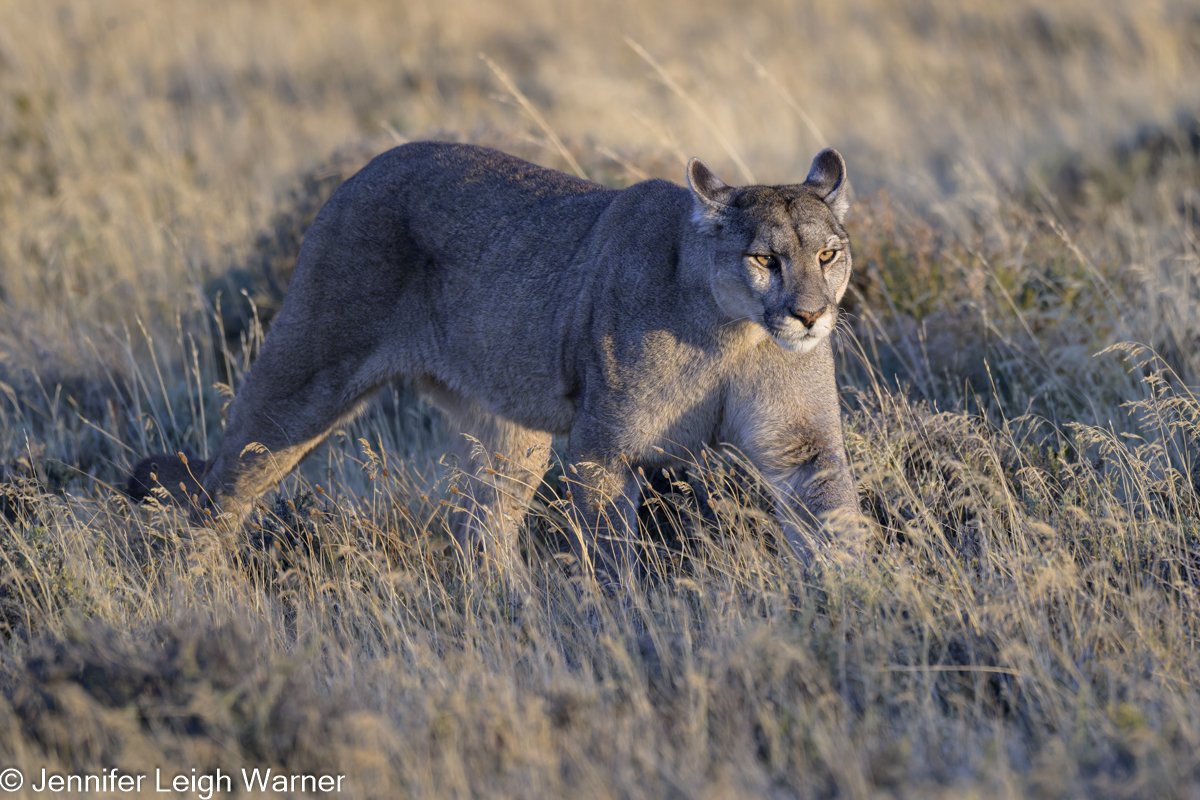
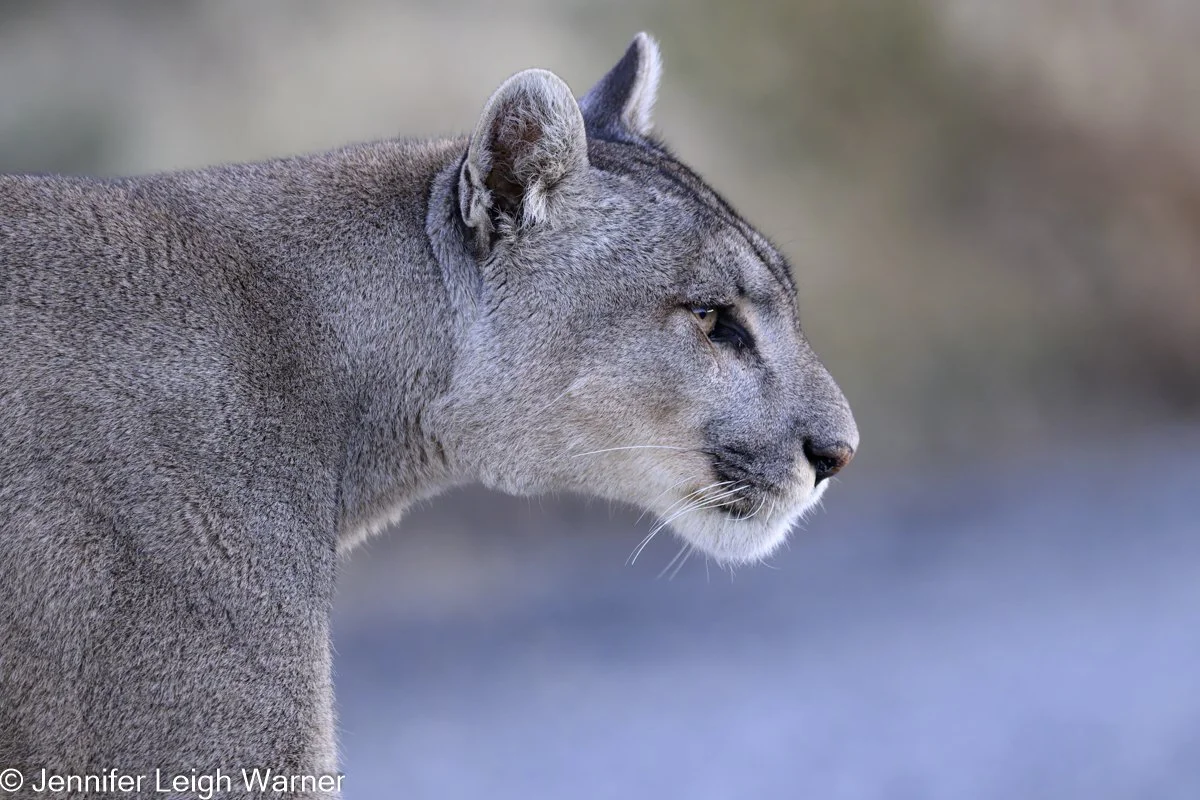
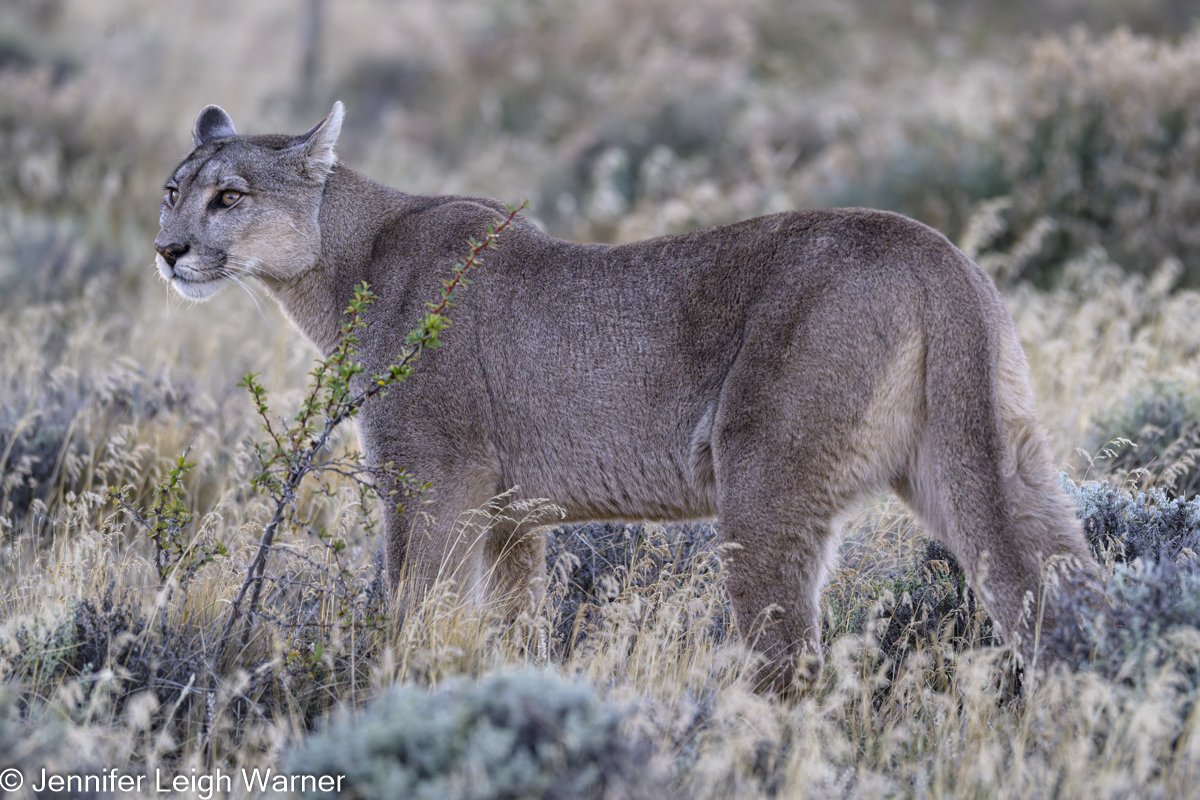
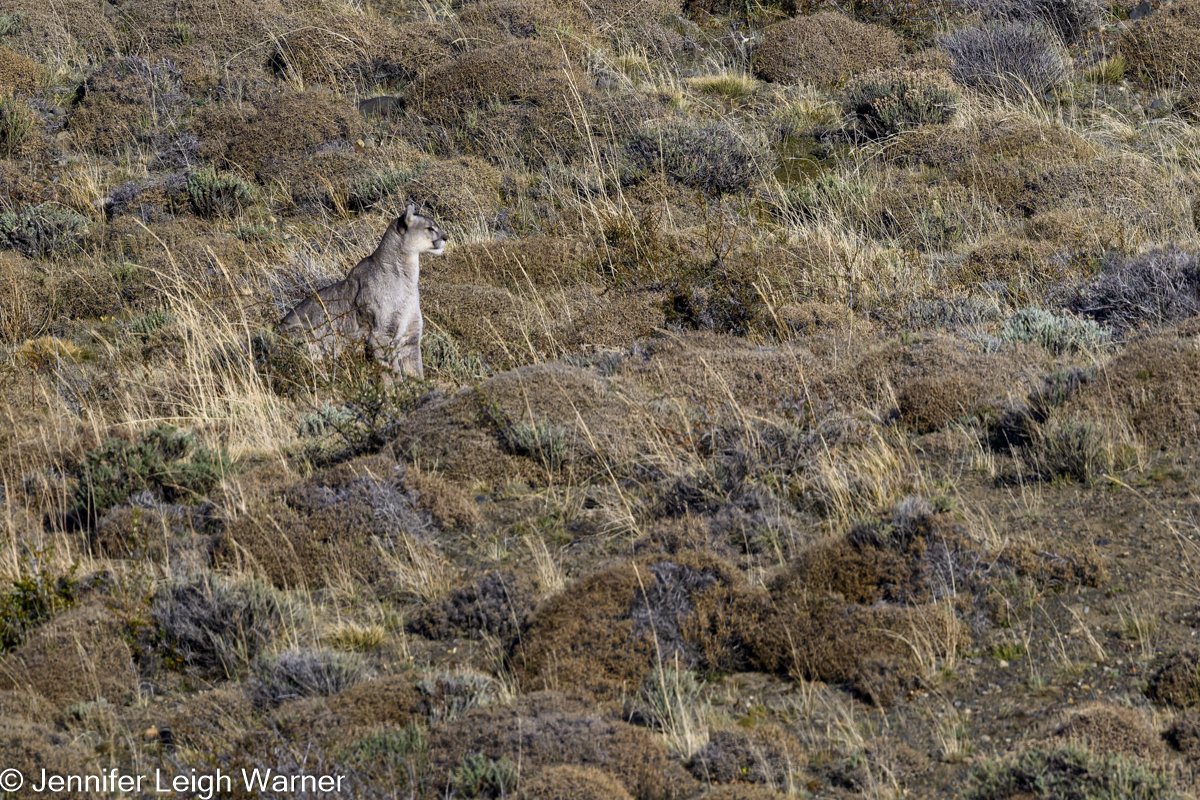
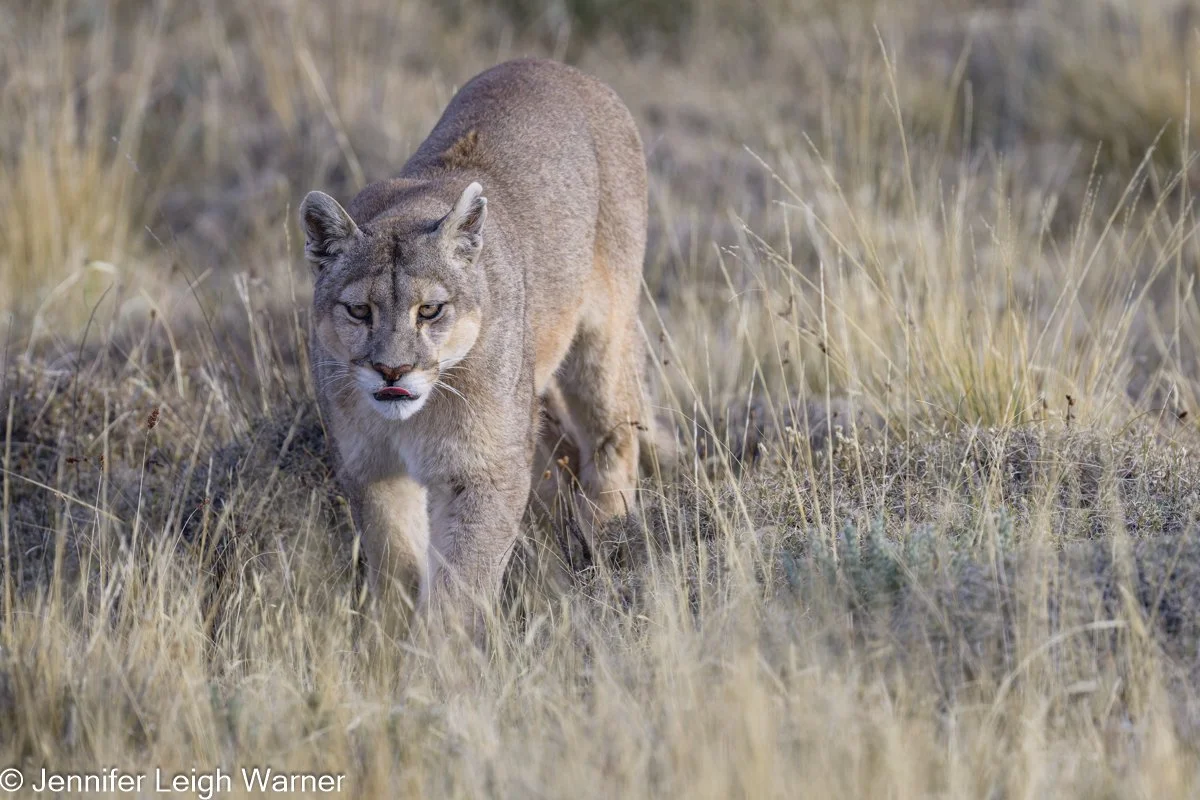
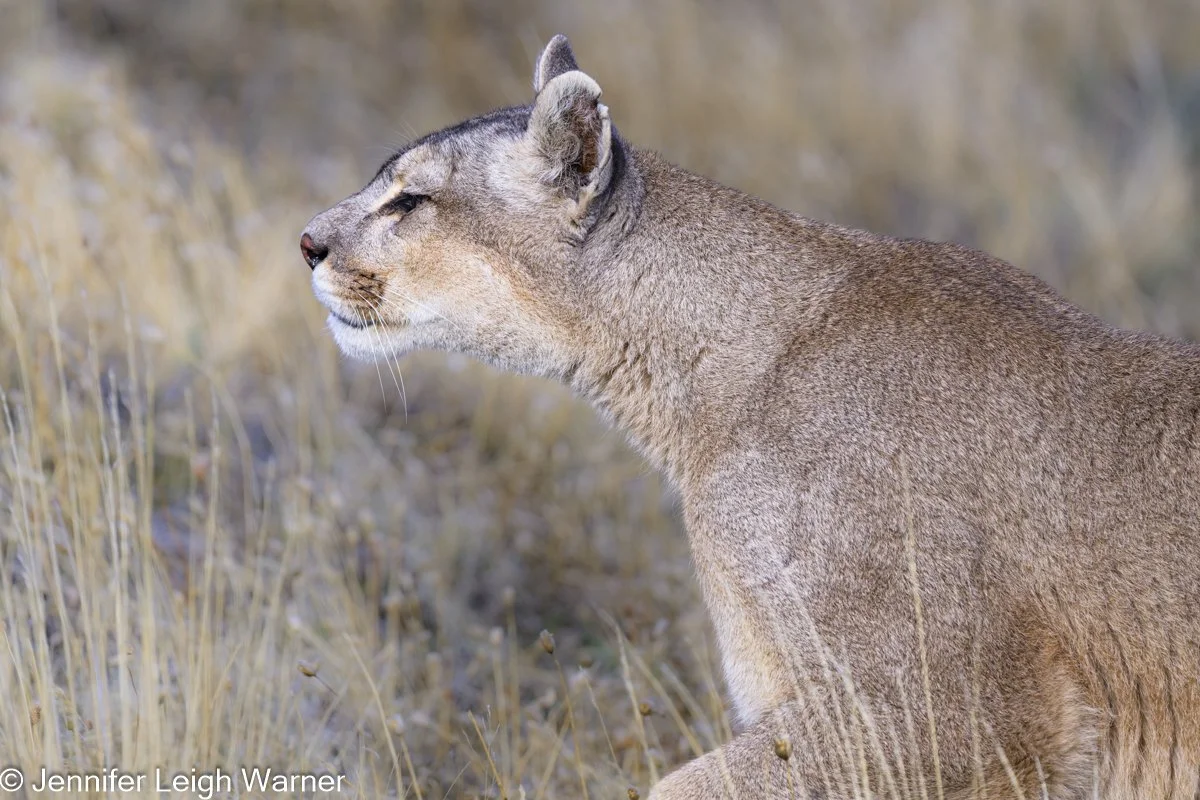
Undoubtedly, the pinnacle of our journey was the exhilarating experience of finding and photographing pumas in their natural habitat. Our efforts were rewarded with sightings of five pumas: two magnificent males and three graceful females.
In Patagonia, where wildlife photography is a popular pursuit, some of the most well-known pumas have earned names from the locals. Among these, we had the privilege of capturing images of Escarcha, Petaka (often revered as the Queen of Patagonia), and Dania.
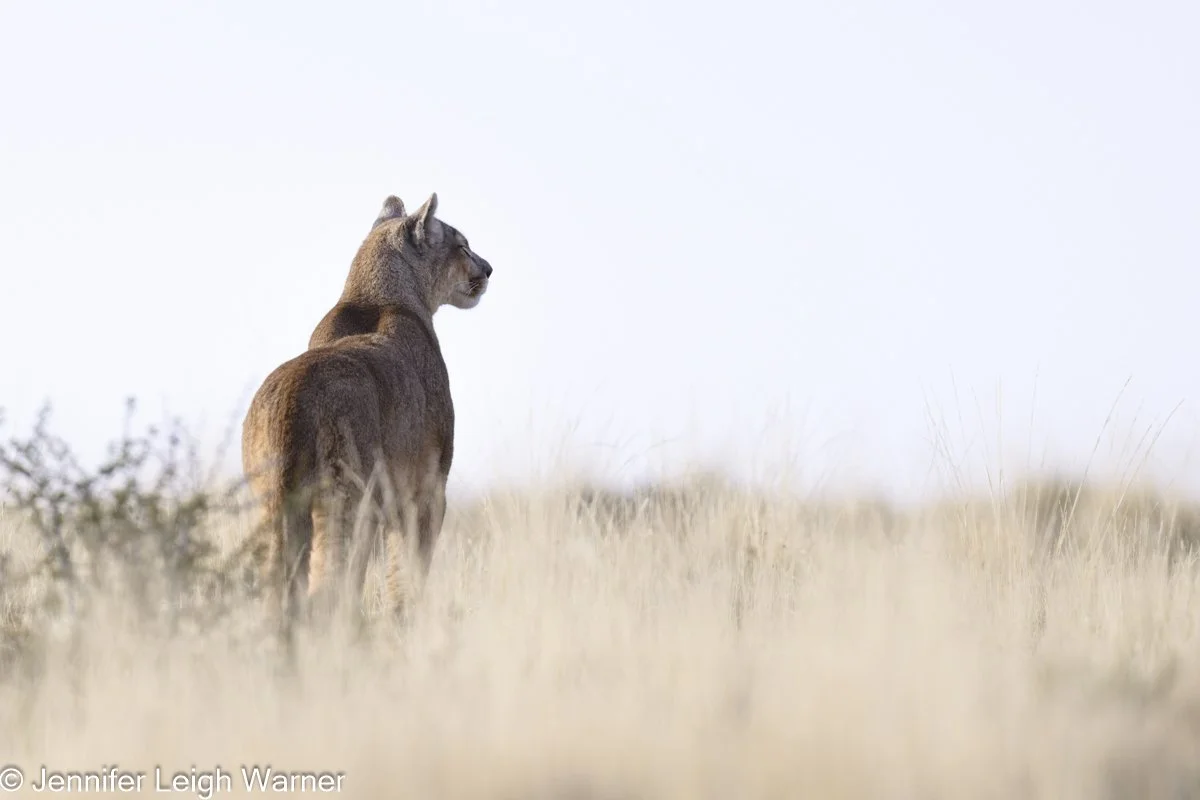
Dania, in particular, became the focal point of our expedition. She was the first puma we encountered, marking a moment of awe and excitement that set the tone for the rest of our adventure. On our final day, we were fortunate to spend several hours with her, observing her in her element.
We watched as Dania slept, her sleek form blending seamlessly with the landscape. When she awoke, she graced us with a series of wonderful views, moving with the stealth and grace that characterize these elusive creatures. The climax of our time with Dania was witnessing her embark on a hunt, a testament to the raw and powerful nature of the Patagonian wilderness.
This intimate glimpse into Dania's world was not only an incredible photographic opportunity but also a profound experience that deepened our appreciation for these majestic animals and their role in the ecosystem. Watching her reminded us of the delicate balance of life in Patagonia and the importance of preserving these habitats for future generations.
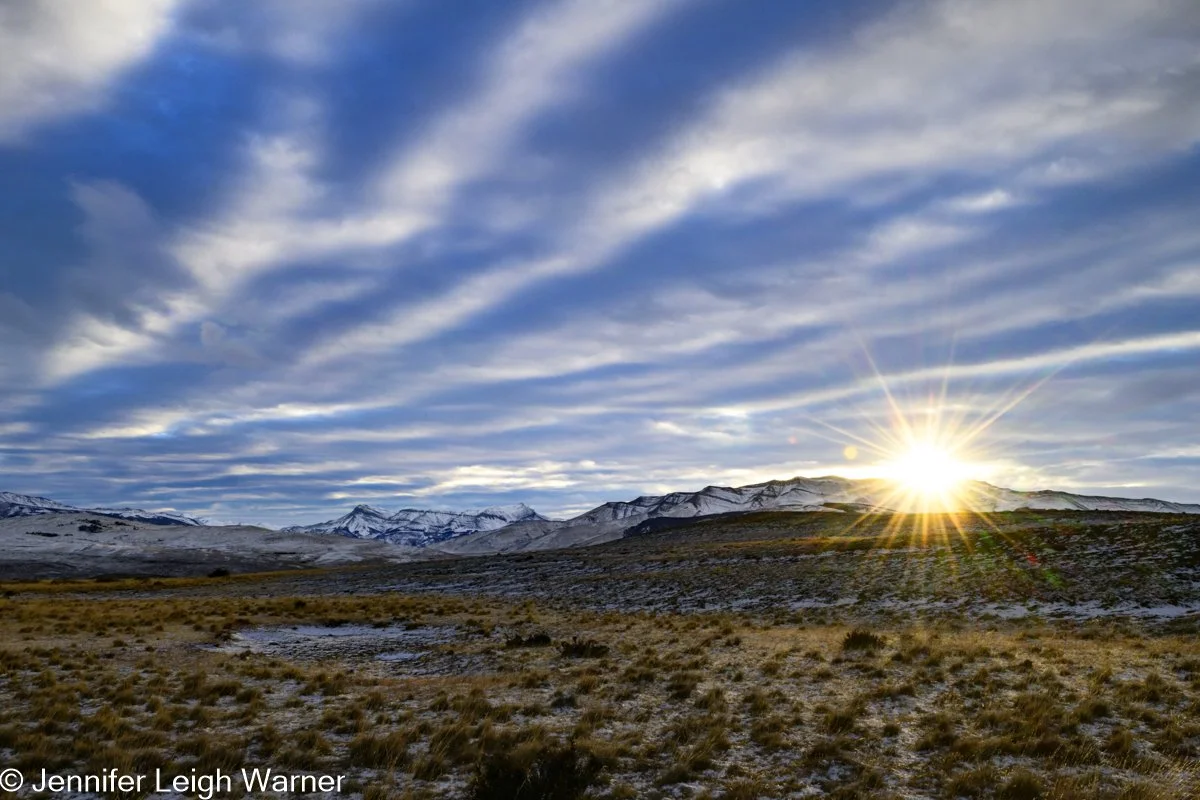
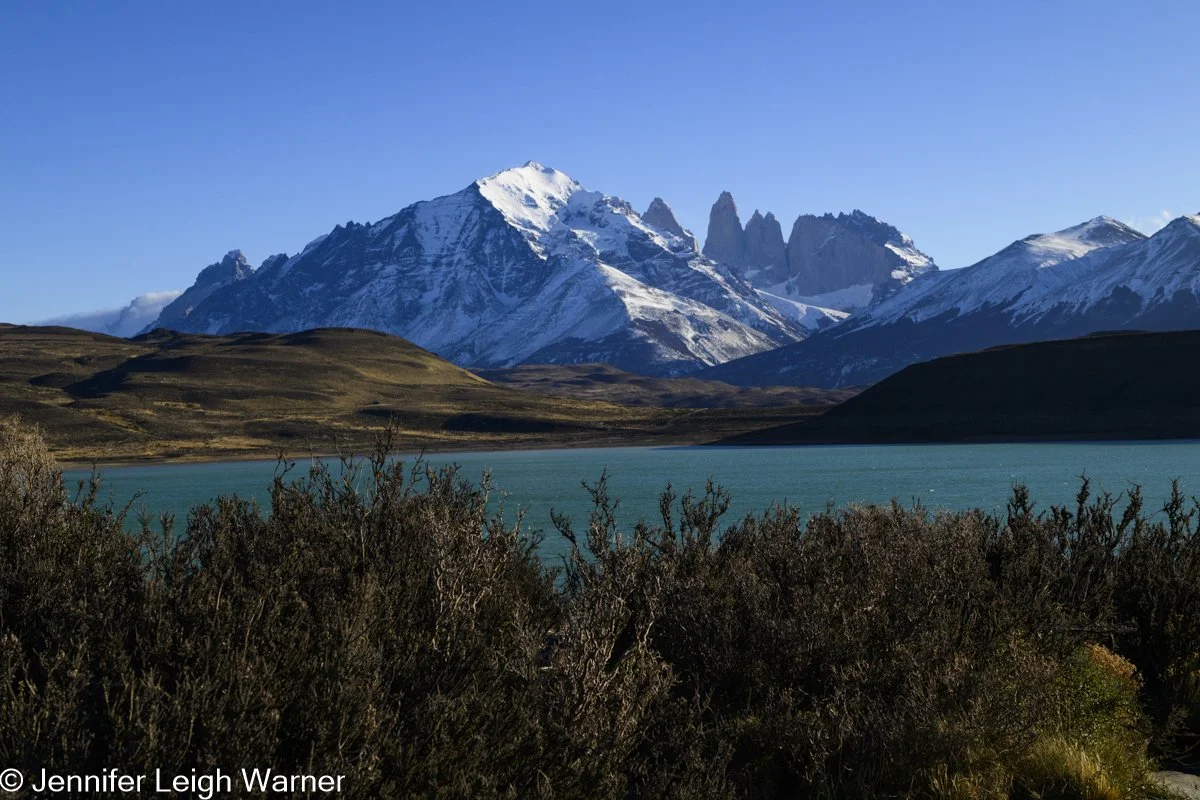
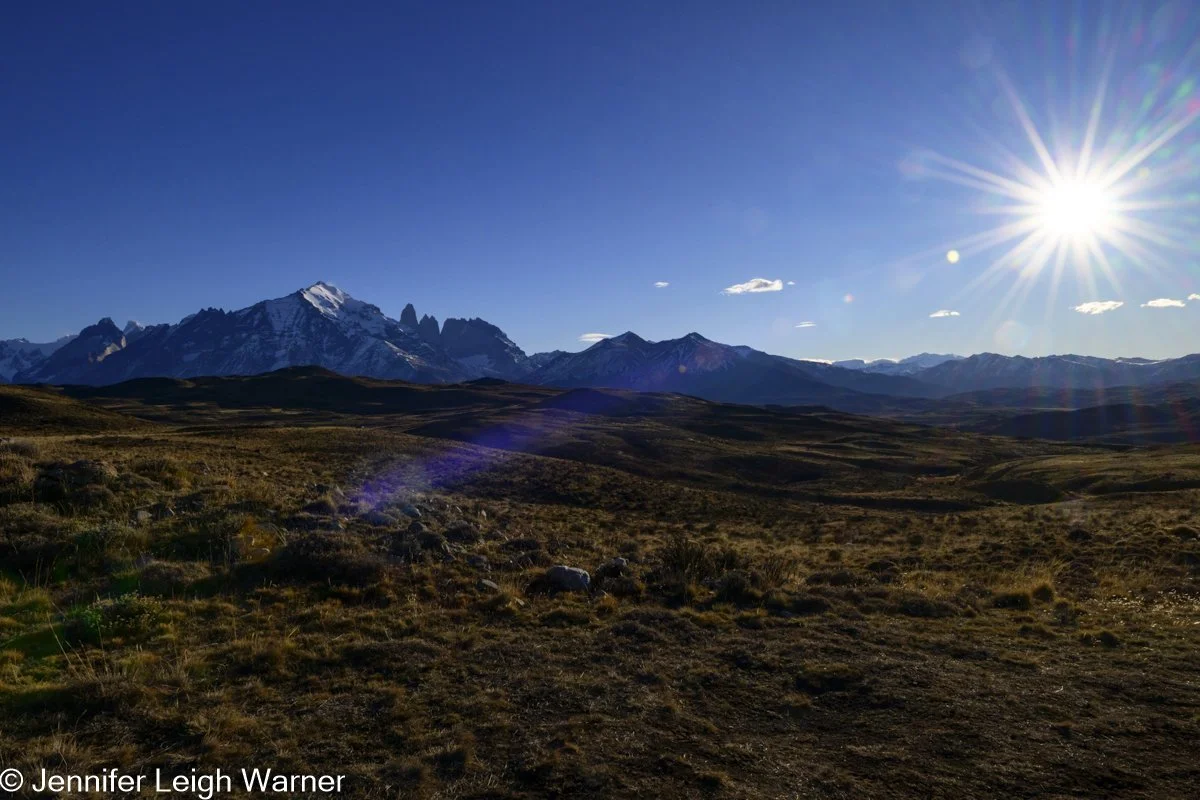
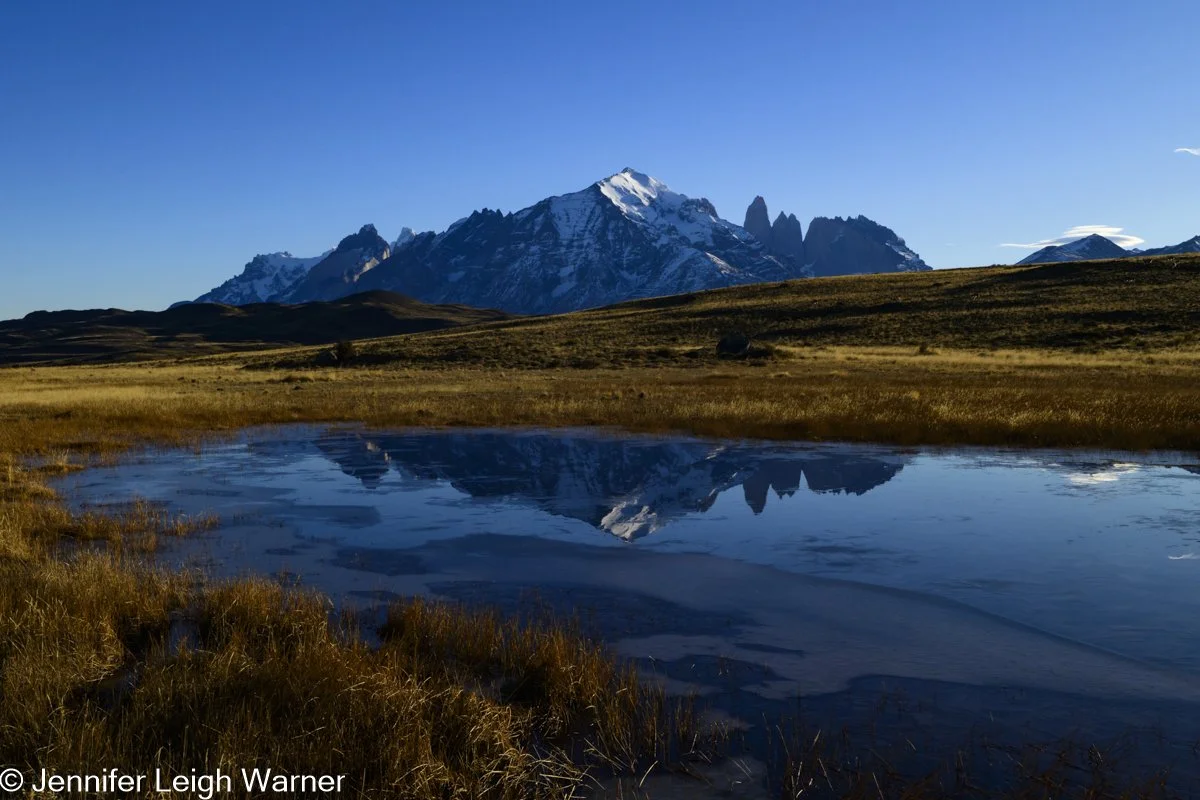
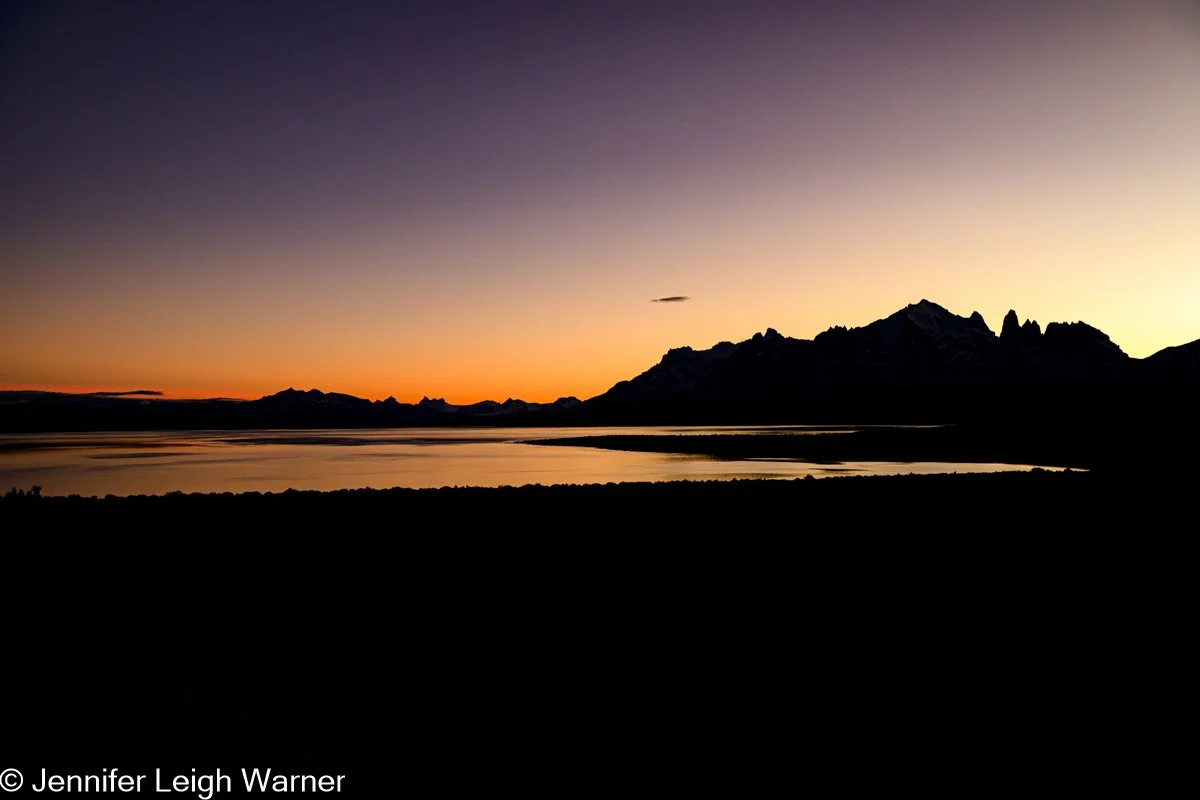
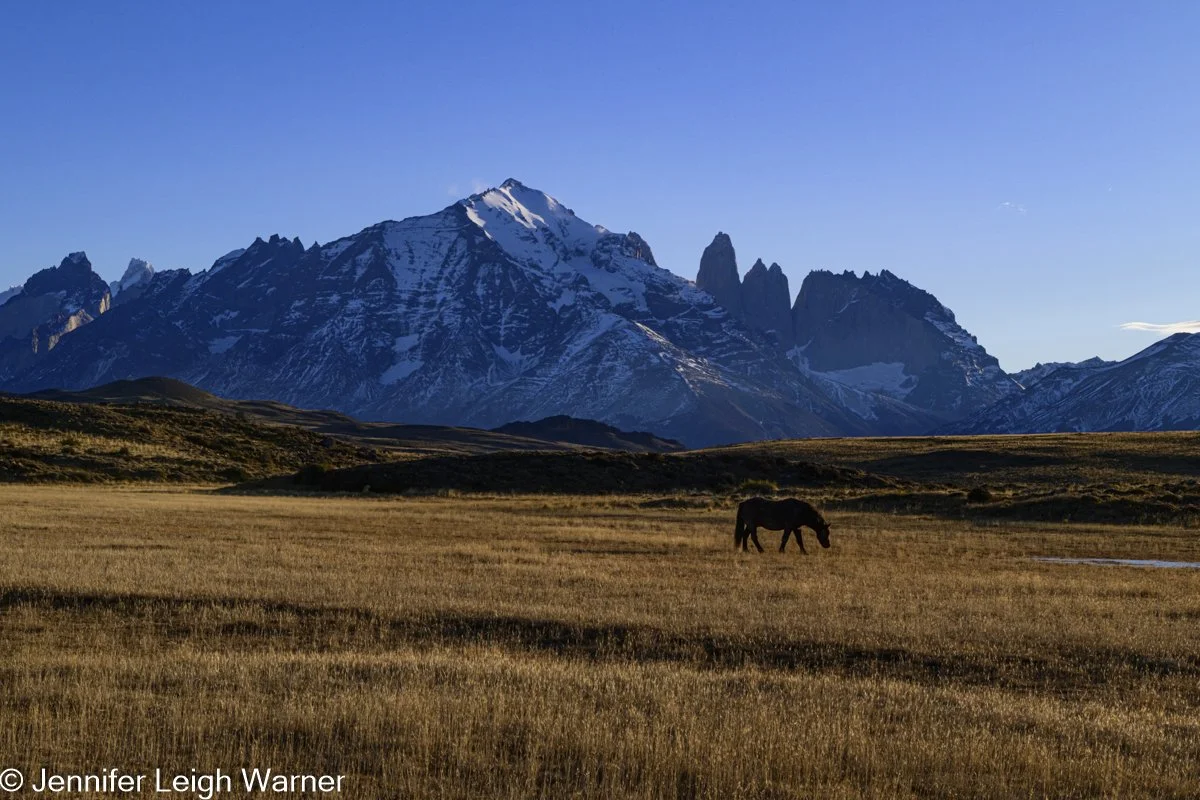
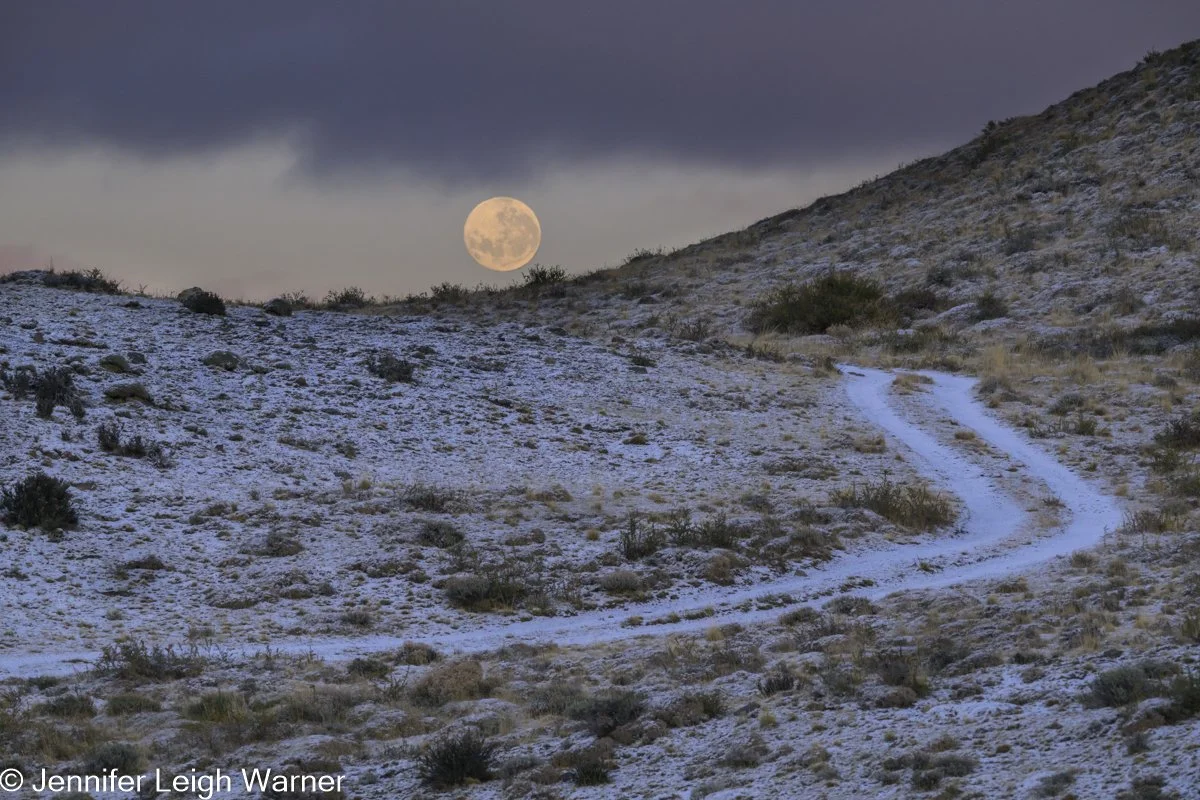
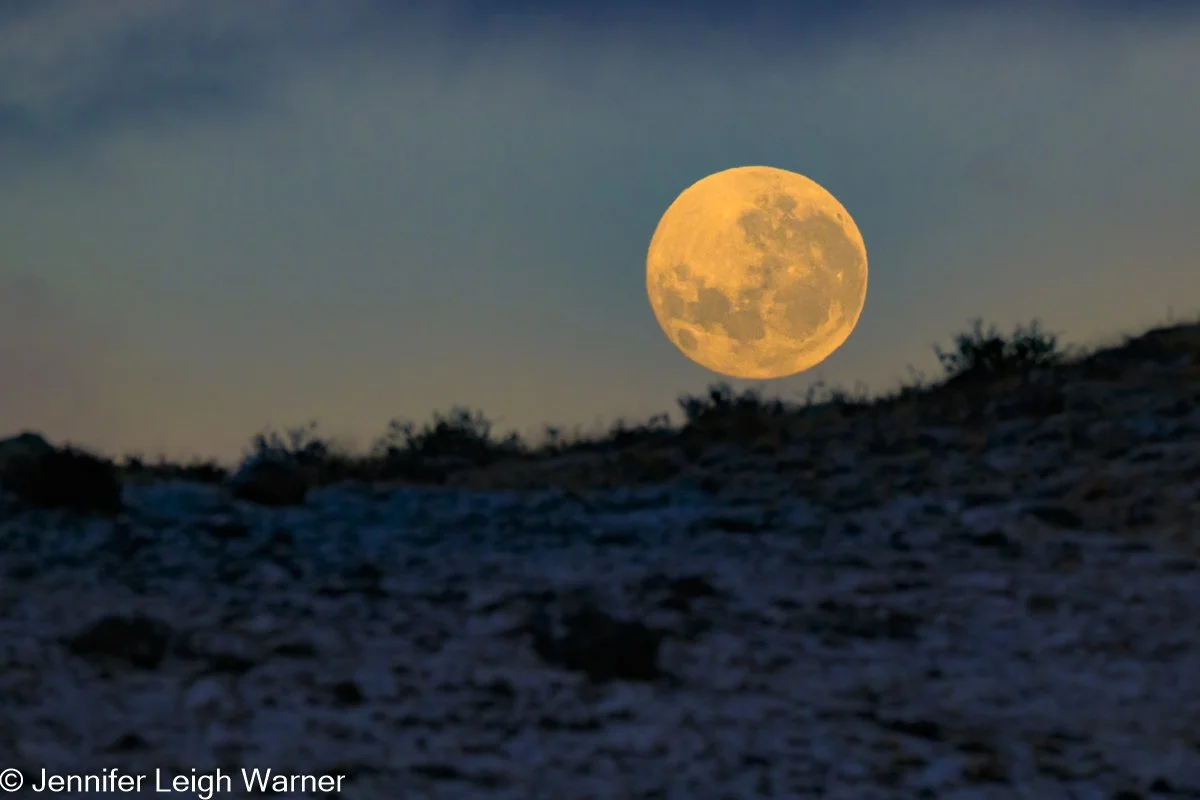
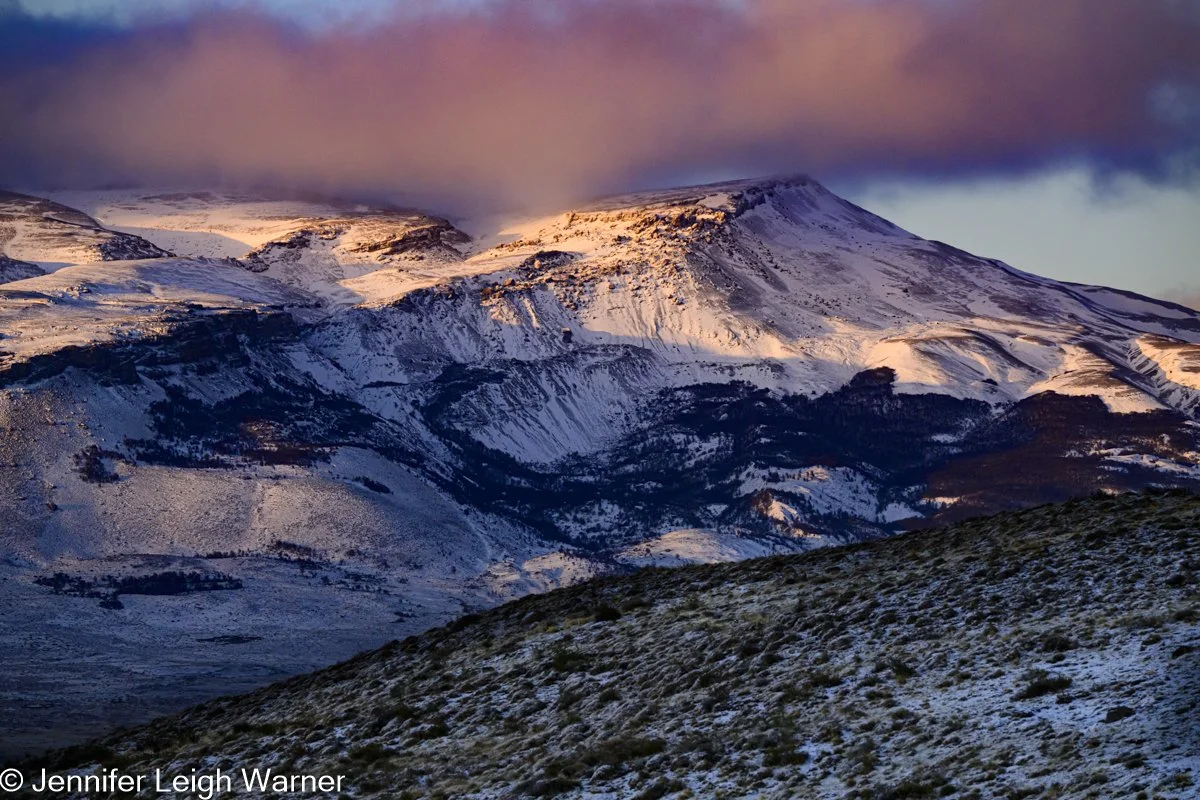
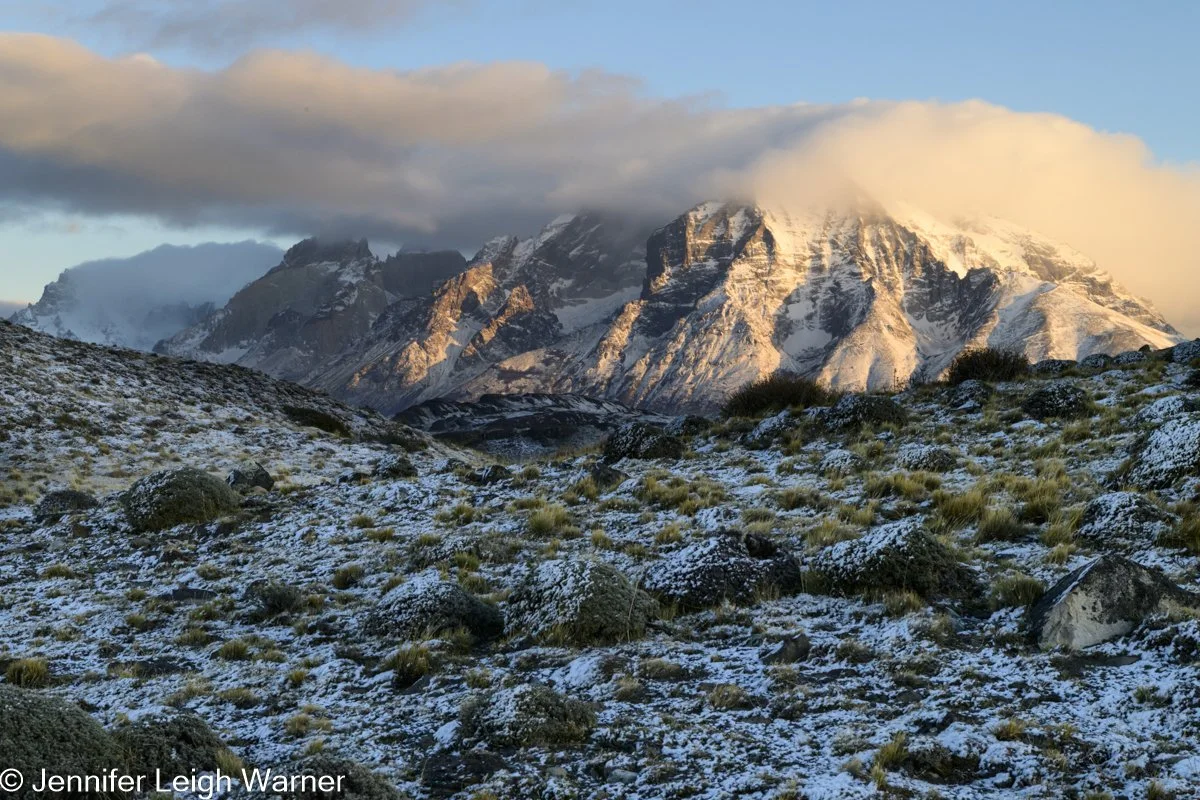
Visiting Patagonia without mentioning its awe-inspiring landscapes would be an oversight, especially during the mesmerizing winter season. Although the days were shorter, the extended golden hours painted the region in a warm, ethereal light that transformed every view into a masterpiece.
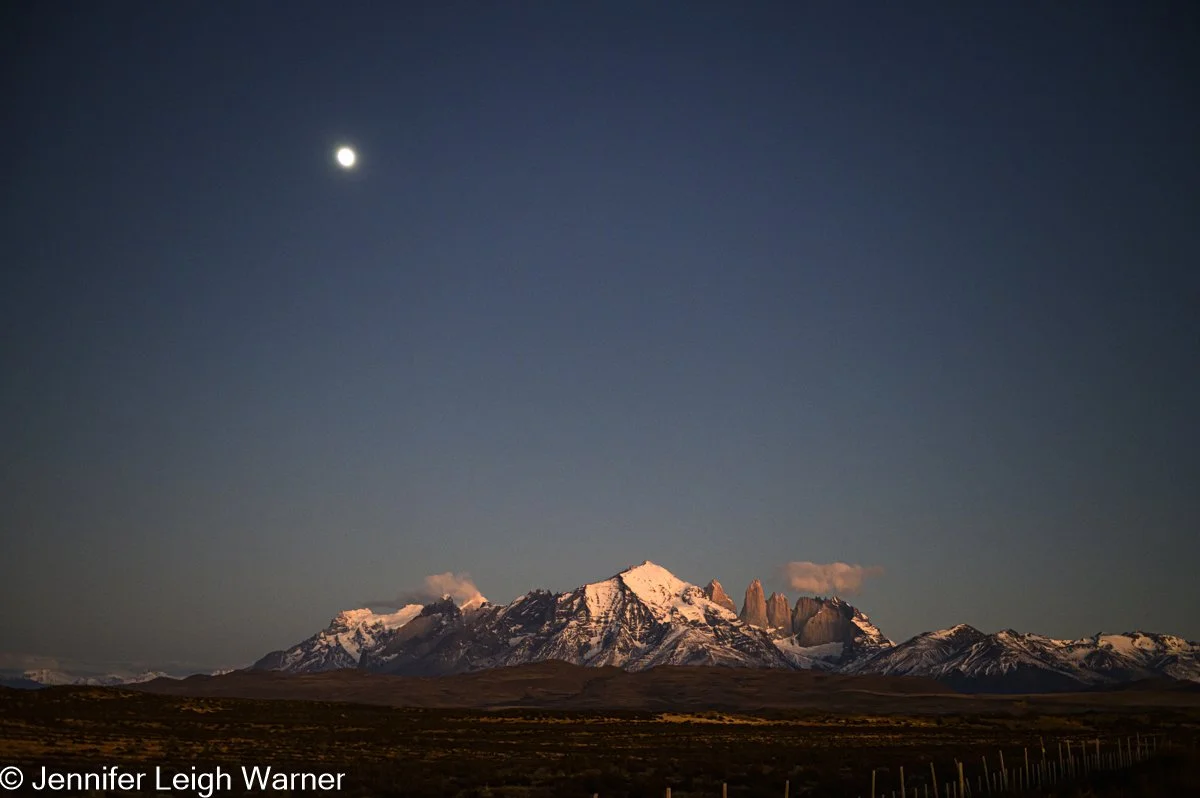
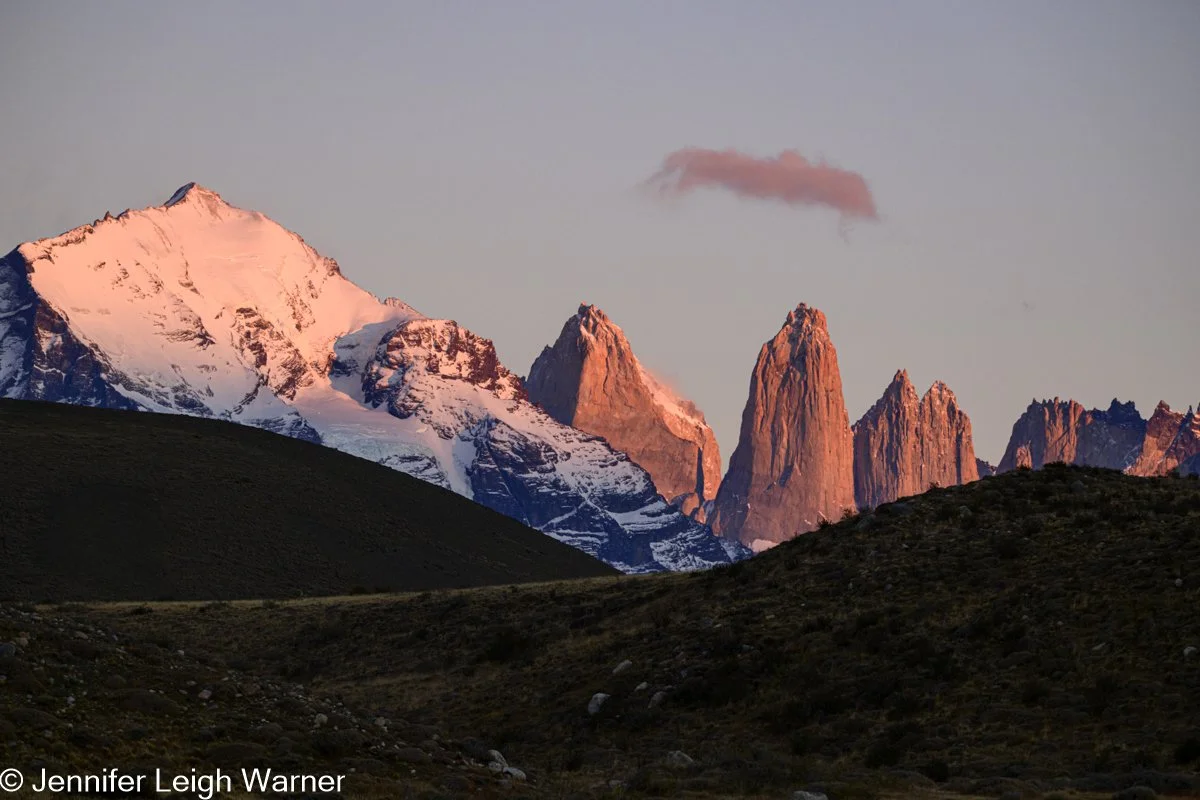
The unique quality of light during Patagonian winters created an unparalleled backdrop for our journey. With the sun hanging low in the sky, the mountains were bathed in a soft, golden glow that accentuated their rugged beauty and intricate details. This spectacular light not only made for stunning photographs but also enhanced the sense of serenity and wonder that permeated our expedition.
Patagonia is renowned for its dramatic mountain ranges, with jagged peaks piercing the sky. The iconic Torres del Paine, with their towering granite spires, stood as sentinels over the landscape, their beauty magnified by the winter's golden hue. Each peak told a story of geological forces and time, offering a humbling reminder of nature's power and artistry.
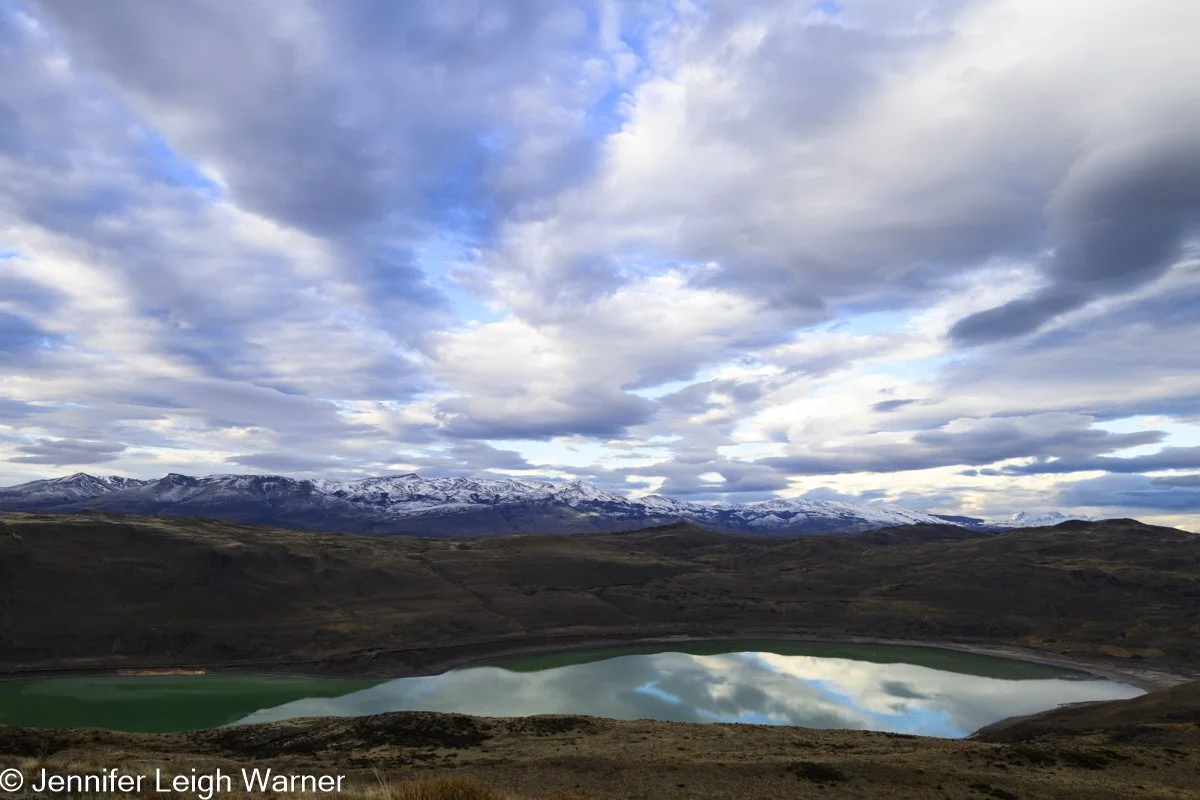
Beyond the mountains, the vast plains and valleys of Patagonia stretched out before us, offering a striking contrast to the towering heights. These open spaces, dotted with hardy vegetation and crisscrossed by winding rivers, were a testament to the region's raw and untamed character. The interplay of light and shadow across these expansive landscapes added depth and richness to every view.
As the sun moved through the sky, the interplay of light and shadow created a dynamic tapestry across the landscape. Each moment presented a new scene, as the changing light revealed hidden textures and colors. This ever-shifting panorama was a constant source of inspiration and wonder, encouraging us to pause and fully immerse ourselves in the beauty that surrounded us.
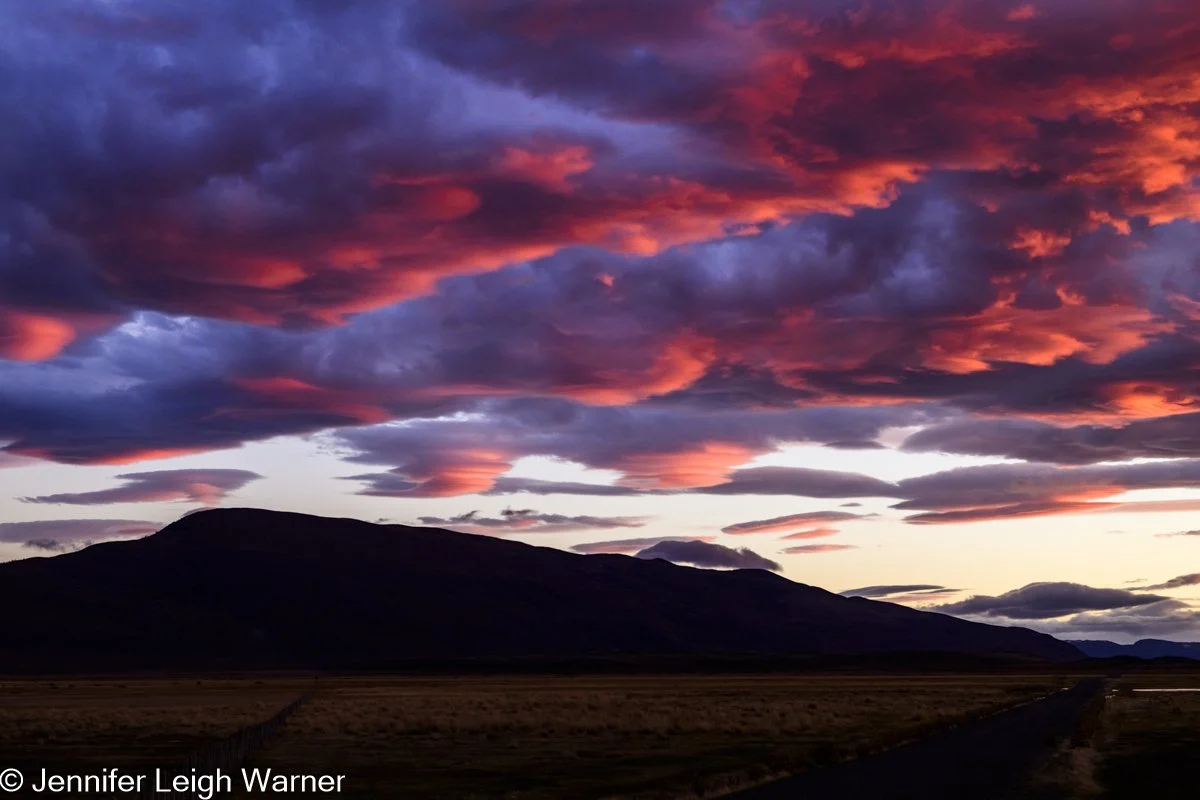
For a photographer, Patagonia in winter is a dream come true. The extended golden hour provided ample opportunities to capture the essence of this remarkable region. From the vibrant hues of sunrise to the soft pastels of dusk, every moment offered a fresh perspective on the landscapes' grandeur. The challenge was not in finding a picturesque scene, but in deciding which breathtaking view to photograph next.
This journey has been more than just a photographic expedition; it has been a transformative experience, allowing me to connect deeply with nature and appreciate the intricate tapestry of life that Patagonia harbors. The memories and images I've gathered are treasures that I will carry with me forever, serving as a testament to the wonders of this extraordinary region.
In sharing my journey, I hope to inspire others to follow their dreams, to explore the world with curiosity and respect, and to cherish the incredible diversity of life that our planet offers.
Thank you to all who made this dream into a reality and I am excited to be offering this photo expedition in 2028. More details coming soon, stay tuned.
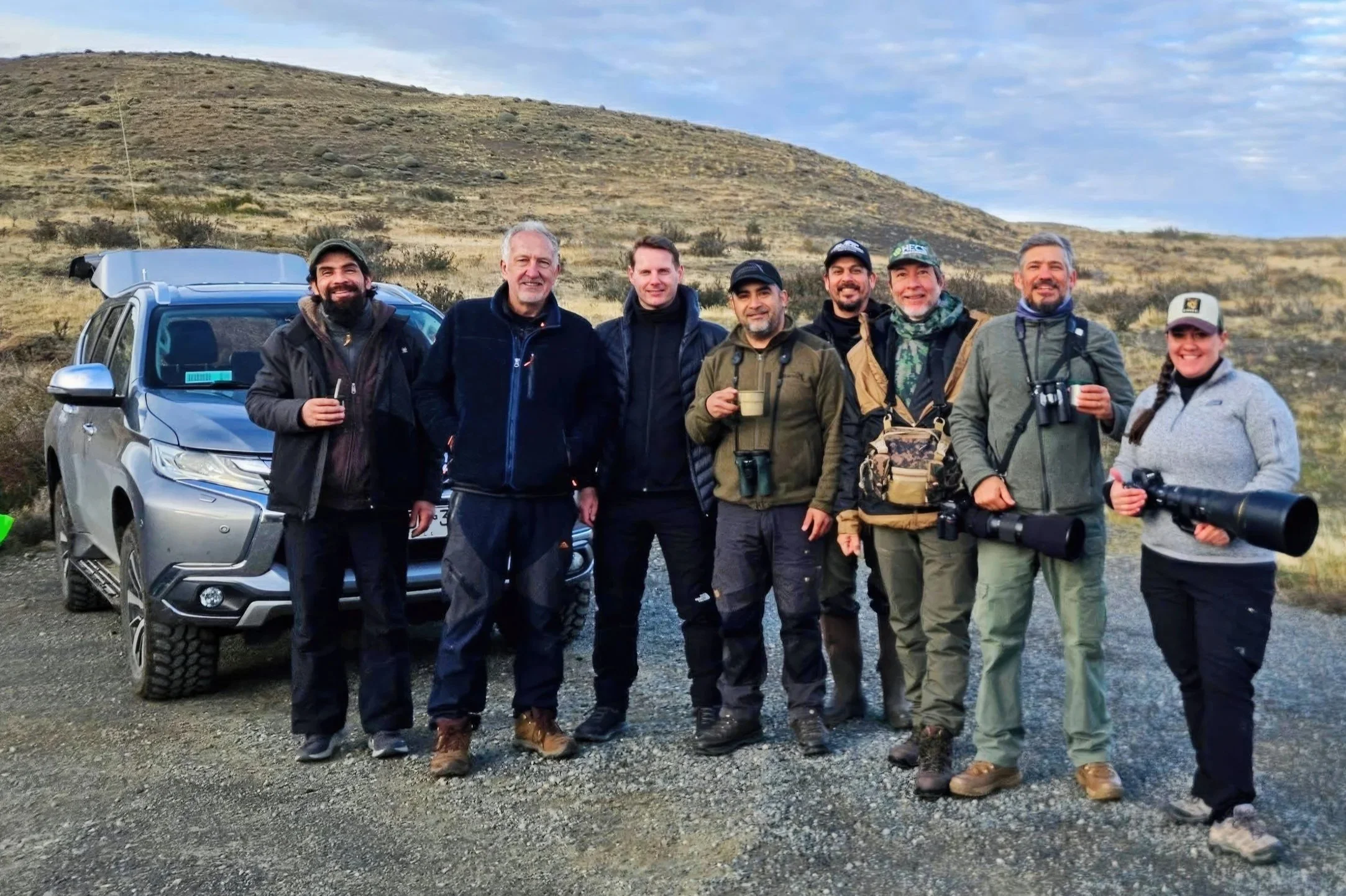
Group photo